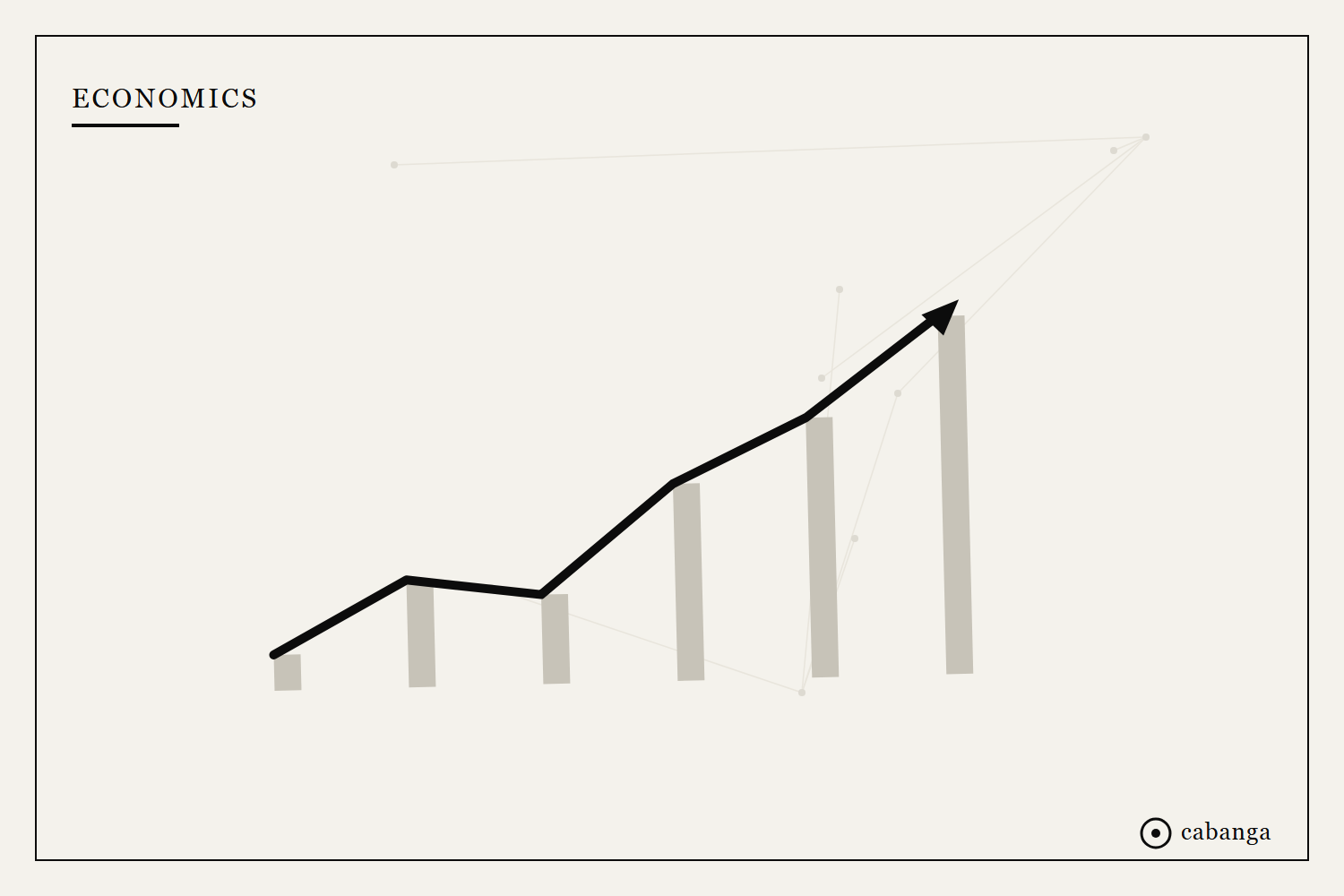

The Southern African Development Community likes to quote its combined size. At the 34th Committee of Ministers of Trade, held in Harare on 5 June 2025 alongside the 24th Ministerial Taskforce on Regional Economic Integration, officials put the figure at more than US$841 billion in combined GDP across the bloc's member states. What the same meeting could not point to was a matching share of that output actually trading within the region rather than beyond it. That gap between scale and integration is the contradiction sitting under every SADC trade communique, and this one is no exception.
Chaired by Zimbabwe's Professor Amon Murwira, Minister of Foreign Affairs and International Trade and Chairperson of the SADC Council of Ministers, the meeting produced no single dramatic announcement. Instead it produced directives — to the Secretariat, to member states sitting on unratified protocols, and to Angola, commended for finalising its tariff offer to join the SADC Free Trade Area. Together, they describe a bloc still building the plumbing of a market it already claims, on paper, to have.
The gap between GDP scale and intra-regional trade
Ministers directed the SADC Secretariat to expeditiously finalise an analysis of the bloc's top ten imports and exports, mapped against priority regional value chains. That instruction is itself an admission: after decades of trade protocols, SADC's own institutions did not have, at the time of the meeting, a finished picture of which goods member states actually trade with each other most, or where the value chain gaps sit. For a regional operator weighing whether to build capacity for the SADC market rather than a single national one, that analysis, once published, will matter more than any tariff schedule.
The commercial logic is straightforward. A manufacturer in Zambia or a processor in Mozambique decides where to add a production line based on which corridors move goods reliably and which product lines already have demand across borders. SADC's account of the ministerial meeting sets out the GDP figure and the value-chain directive together, which suggests the Secretariat itself now treats data quality as a precondition for the next phase of integration, not a side project.
Angola's tariff offer and the FTA's expanding perimeter
Angola's finalised tariff offer, commended by ministers, is a concrete step toward full participation in the SADC Free Trade Area — the mechanism through which member states extend preferential tariff treatment to each other's goods. Angola has been a SADC member for decades without being a full party to the FTA's tariff schedule, so a completed offer widens the pool of countries whose exporters can price goods into the wider regional market on preferential terms.
For businesses in Angola's oil, agro-processing and light manufacturing sectors, and their counterparts elsewhere in SADC eyeing Angola as a destination, the practical question is when the offer takes effect and which tariff lines it covers. Those details were not spelled out in the meeting's public record [TK], leaving the scale of Angola's market opening a matter of direction rather than published detail.
Two protocols still waiting for ratification
Ministers used the meeting to urge member states to ratify three outstanding instruments: the SADC Protocol on Trade, the Protocol on Industry, and the Protocol on Trade in Services. That three protocols central to the region's integration agenda remain incompletely ratified, years into SADC's existence, is the quieter story inside the communique. A protocol that is signed but not ratified by every member state creates an uneven legal foundation — exporters in a ratifying country may not receive reciprocal treatment from a country that has not yet completed domestic procedures.
The services protocol carries the most immediate commercial weight, since financial services, logistics and digital platforms cross borders faster than goods do. Until ratification catches up, service-sector operators face a patchwork of national rules rather than one regional standard — a gap that rewards firms building compliance capability market by market.
A dispute mechanism still being built
Ministers also directed a joint meeting of trade and legal experts to develop dispute settlement mechanisms for the bloc — an admission that SADC's trade instruments have historically lacked a clear, binding process for resolving disagreements between member states over exactly the kind of market access this meeting otherwise celebrates. For an exporter or manufacturer, the absence of that mechanism is a live commercial risk: a tariff preference or protocol right is only as useful as the process available to enforce it when a member state fails to honour it.
The directive is a starting point rather than a finished instrument: a joint expert meeting has been instructed to develop the mechanism, not finalise one. Businesses building supply chains on this meeting's protocol and tariff commitments should treat that enforcement gap as unresolved until the experts conclude their work and a binding process is adopted.
What comes next
The next observable test is publication: does the Secretariat's top-ten value-chain analysis appear, and does it name the specific product lines and corridors it identifies as priorities. A second test is ratification — whether any additional member state deposits its instrument on the Protocol on Trade in Services in the months following this meeting. Neither had happened by the time of this report, and each is a separately dated development once it does.
For a regional operator, the meeting confirms direction rather than delivering new market access. The decision it supports is not whether to enter the SADC market — the institutional architecture for that has existed for years — but which corridor or product line to position for once the Secretariat's own analysis names where the priority value chains sit. Angola's tariff offer, once its detail is public, may be the more immediate opportunity to test first.
Sources
SADC Source: SADC Secretariat
Institutional Source: SADC Secretariat
Independent / Technical Source: World Bank