
For a labour inspector, a corporate client’s auditor or an insurer after an incident, cleaning that you cannot show you did is cleaning that did not happen. This is the uncomfortable truth behind the shift, described in an IOL Business Report analysis of the SME hygiene blindspot, from cleaning as a task to cleaning as a governance duty. As Jeffery Madkins of Unilever Professional put it, it is “no longer sufficient for SMEs to merely state that they maintain hygiene; they will need to prove it.” Proof is not a feeling that the place looks fine. It is a small set of records, kept as the work happens. Six of them do almost all the work.
The point of these records is not bureaucracy for its own sake. Under Section 8 of the Occupational Health and Safety Act, an employer must maintain a workplace that is safe and without risk to health, and current compliance guidance is clear that this now means being able to show what was cleaned, when, by whom and with which chemicals. Each record below answers one of those questions. Kept together, they turn a routine into evidence.
1. The cleaning schedule
The foundation record is a schedule that lists every area and states how often it is cleaned – daily, weekly or monthly. It is what proves cleaning is planned rather than remembered, and it is the document an auditor asks for first. For a small premises it fits on a single page: washrooms and kitchen daily, floors and glass weekly, deep tasks monthly. Without it, everything else is anecdote.
2. Task checklists that get ticked
A schedule says what should happen; a checklist records that it did. A dated sheet on the back of the washroom door, initialled each time the room is serviced, is the humblest and most persuasive record you can keep. It converts the schedule from a plan into a history, and it lets a supervisor see at a glance the day a task was skipped rather than discovering it after a complaint. A checklist also answers the “by whom” question the OHS Act now asks, because each initial ties a specific person to a specific task on a specific day.
3. Chemical data – the safety data sheets
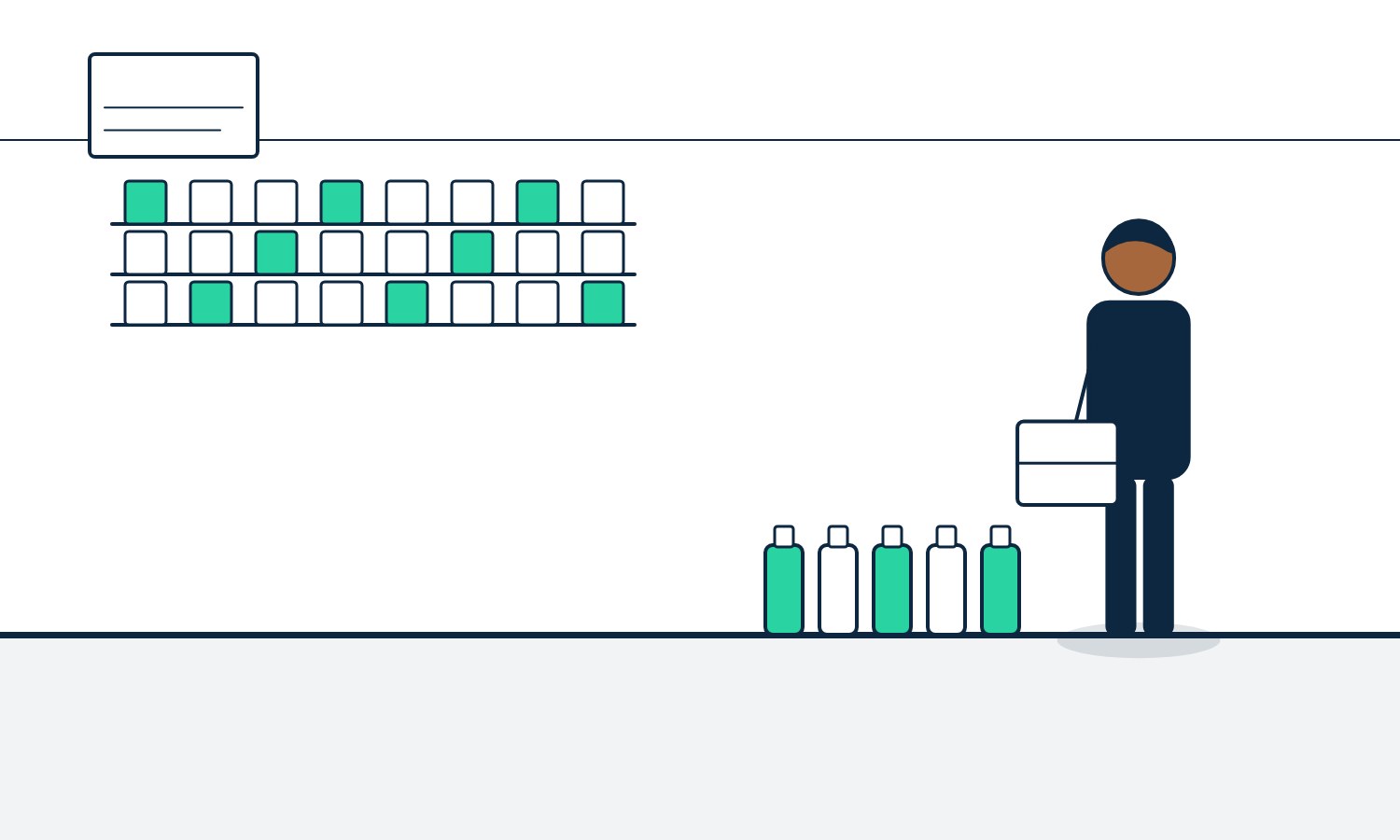
Every cleaning product on the premises should have its safety data sheet on file, and every decanted bottle should be labelled for what it holds. The sheet says how a product is used, stored, and what to do if it is spilt, splashed or swallowed. This is the record most often missing and most easily fixed, because the sheets come free from the supplier. A mystery bottle of blue liquid under the sink, with no sheet and no label to explain it, is exactly the finding that turns a routine inspection into a problem.
4. Training records
It is not enough that a cleaner was shown the job once. A brief note – who was trained, on what, and when, with a signature – shows that the person handling chemicals and infection points knew the correct method and the correct order. Madkins framed the whole exercise as “implementing simple systems that protect your people, your reputation, and your right to operate”, and a training record is where the protection of people is written down. It also protects the business if that person later does something they were never taught not to do.
5. An incident and complaint log
When a chemical spill happens, a client complains about a washroom, or a slip is reported, it should be written down: what happened, when, and what was done about it. An incident log looks like an admission of failure and is in fact the opposite – it is proof that problems are noticed and closed rather than buried. A firm that can produce a log showing a hazard was reported and fixed is in a far stronger position than one whose silence suggests nothing ever went wrong. Insurers, in particular, read a well-kept log as the mark of a business that manages risk rather than one that merely hopes to avoid it.
6. Sign-off records
Finally, someone with authority should periodically sign that the programme is being run – a weekly or monthly sign-off by an owner or supervisor confirming the schedule was met and the other records are current. This is the record that shows accountability sits with a named person rather than drifting. It is also where the sourcing of cleaning connects to the paperwork: where a business hires through an introduction platform such as Kleana, the professional charter both sides accept already fixes the scope and the responsibilities in writing before the first day, which gives the sign-off something concrete to sign against rather than a vague understanding.
Keep evidence, not just intentions
The move that matters is to start capturing, from this week, work you are almost certainly already doing. You do not need software or a consultant; a folder, a few laminated sheets and a habit of initialling them will satisfy most of what an inspector or a client will ever ask. The businesses that get caught out are rarely the dirty ones. They are the ones that cleaned diligently and kept no proof, and so had nothing to show when someone finally asked. Agree, too, how long you keep them – a rolling year of schedules, checklists and sign-offs is enough for most small premises and costs nothing but a folder. Keep the six records, and the honest answer to “can you demonstrate it?” becomes yes.
Source: Kleana Africa – kleana.africa