Most injuries in domestic work are neither freak accidents nor mysteries; they are the wet floor, the wrong chemical mix, the chair used as a ladder and the locked gate in an emergency, and they are predictable enough to be caught before the work starts. A short check at the beginning of a job – run by the cleaner, ideally with the household – costs a few minutes and prevents the kind of harm that, since domestic workers were brought under injury-compensation law in 2020, is now a matter the employer answers for.
The reason to bother is on the record. Reporting by GroundUp documents domestic workers suffering injuries, dog attacks and worse, often while unregistered for the Unemployment Insurance Fund or injury cover; Pinky Mashiane of the United Domestic Workers of South Africa warned that “the rights of domestic workers are still being violated.” A safety check does not fix that on its own, but it is the part a cleaner and a household can control on the day, and it costs nothing but a couple of minutes and a willingness to say things out loud before the work starts. It works best as a short conversation rather than a silent inspection: the cleaner knows which tasks she has been asked to do, the household knows the building, and running the list together surfaces the mismatch – the high window with no ladder, the dog no one mentioned – before it becomes an injury. The seven checks below take the hazards in the order they tend to cause harm.
1. Water and electricity together
Look first for the combination that kills: appliances, sockets or trailing cords near where water will be used. Note any exposed wiring or a plug that sparks, and agree that wet-floor work happens with those appliances switched off at the wall. Mopping around a live, frayed cord is the single easiest fatal accident to design out.
2. The chemicals on the shelf
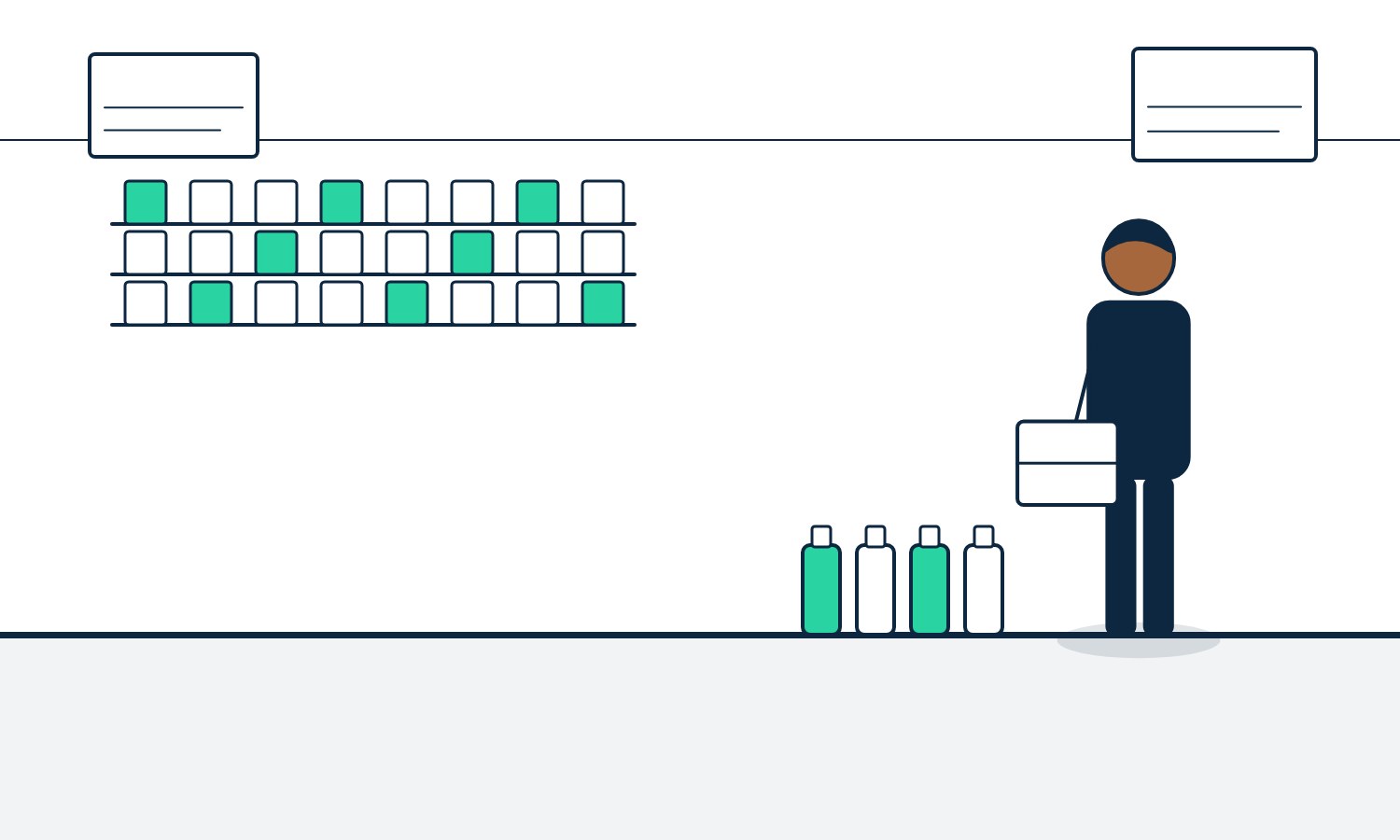
Read what is under the sink before using it. The common danger is mixing – bleach with an acid or ammonia-based cleaner releases toxic gas – so confirm what may and may not be combined, that products are in labelled containers, and that the space can be ventilated. If a household wants a job done with a product the cleaner does not know, that is a conversation for before the bottle is opened, not after the fumes rise.
3. Protective equipment
Check that gloves fit and are intact, and that there is eye protection for any decanting or spraying overhead. A household that employs a cleaner is, in law, an employer, and providing basic protective equipment is part of that role rather than a favour. A cleaner arriving without gloves for a bleach job should be able to stop and say so.
4. Pets and who controls them
Establish where the dogs are and who is responsible for them before entering a yard or a room. Dog attacks on domestic workers are a documented hazard, not a rare one, and the answer is simple: agree that animals are secured before the cleaner arrives, and that no one is expected to work in a space with an unrestrained, unfamiliar animal.
5. Heights and how they are reached
Confirm there is a stable step-ladder for high windows, curtains and top shelves, and agree that chairs, tables and stacked boxes are not substitutes. Falls from improvised heights are among the most common serious domestic injuries, and a single sound ladder removes the temptation.
6. Broken and slippery surfaces
Walk the floors for cracked tiles, loose rugs, a wobbling stair rail or a surface that turns lethal when wet, and agree how those areas will be handled – dried immediately, cordoned while wet, or left until repaired. Naming a broken surface out loud turns it from a trap into a managed task.
7. The emergency contact and the way out
Last, settle what happens if something goes wrong: who to call, where the first-aid basics are, whether a gate or burglar door can be opened quickly from inside, and a number for the household if it is away. A worker locked behind a security gate with no key and no contact is a hazard all of its own, common in South African homes where the same security that keeps intruders out can trap the person inside during a fire, a fall or a medical emergency. Two minutes settling the exit and the phone number is the cheapest insurance in the house.
None of the seven takes specialist knowledge, and that is the point: the injuries that most often befall domestic workers are ordinary ones, which means they are ordinary to prevent. The value of running them as a fixed list, every first day at a new home, is that it removes the need to be brave in the moment – the ladder, the dog and the chemicals are raised as routine housekeeping rather than as a complaint, so a cleaner who would hesitate to challenge an employer never has to.
The seven checks are also the moment to put the working relationship on a professional footing. An introduction platform such as Kleana, which introduces cleaners for a single client fee and takes no share of their pay, asks both sides to accept a charter agreeing terms up front and preserving the right to report a problem – the same principle as a safety check, written down. Run the list before the first bucket is filled, agree who fixes what, and the job starts as work under control rather than a hazard waiting for a claim.
Source: Kleana Africa – kleana.africa