
Intellectual – Frameworks & Theory · Editorial
By Moakanyi Magazine · Global Issue · June 2026
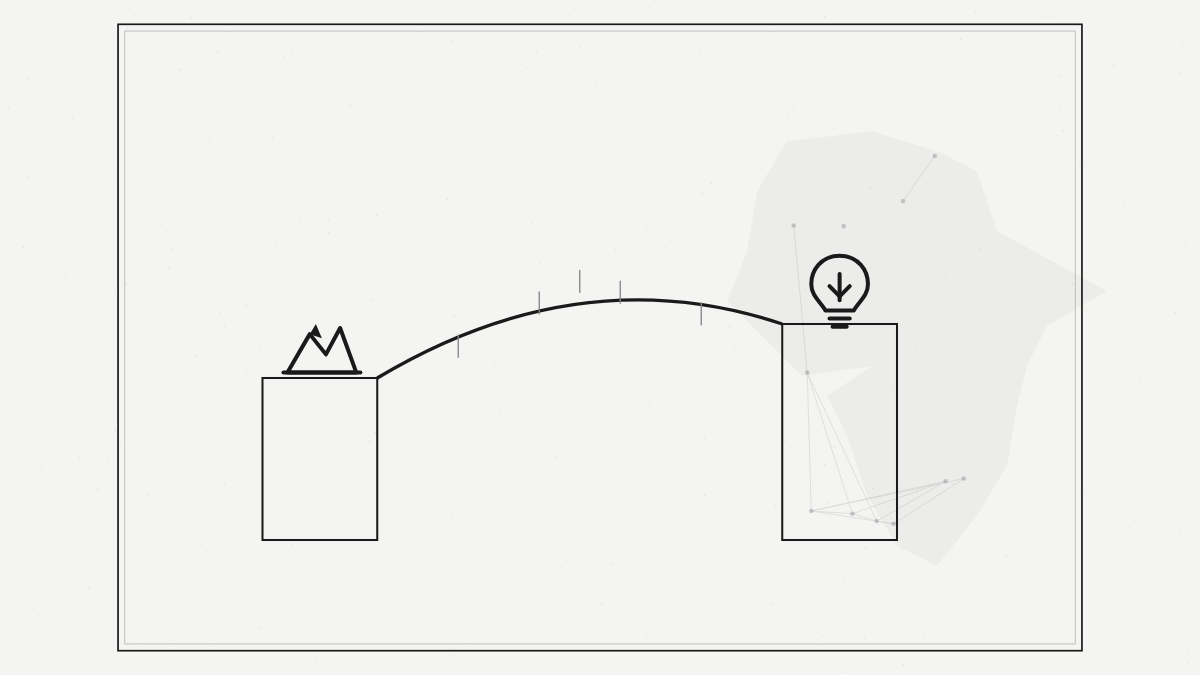
The conventional picture of a mine is a hole that produces ore and, eventually, revenue. By that logic the economy begins when the first tonne is hauled. But the activity a mine creates does not wait for production. Long before any ore moves, exploration generates demand for drilling, logistics, accommodation, data, legal work and laboratory analysis. That early demand is the bridge from a resource economy to a services one, and Botswana is standing on it now.
The country's plan to expand exploration beyond diamonds matters as much for the services it spins up as for the minerals it may eventually find. Copper, coal and other targets pull a supply chain into being whether or not every prospect becomes a producing mine. The search itself is an economy, and it is the part that arrives first.
The pre-production economy:
Exploration is service-intensive. It needs geologists, drill crews, sample transport, assay laboratories, camp catering, vehicle fleets, security and environmental consultants. Most of that can be supplied locally if the capacity exists to win the work. The mineral underground may be uncertain, but the demand for these services is real the moment a licence is granted and a rig moves onto site.
This is the part of the mining cycle that conventional accounting overlooks because it produces no ore to sell. Yet it employs people, fills guesthouses, fuels vehicles and pays contractors for years before a single export is recorded. For a country trying to broaden its economy, the exploration phase is not a waiting room before the real activity; it is real activity, and it begins immediately.
A mine pays out at production; exploration pays out the day the drill arrives.
Where Botswana can capture value:
Towns such as Francistown, Selebi-Phikwe and Palapye sit near exploration ground and can host the services that exploration buys. Selebi-Phikwe in particular, with its mining history and idle capacity, has both the location and the experience to supply a new wave of search activity. The infrastructure of a mining town does not disappear when one mine closes; it can serve the next round of exploration if it is pointed in that direction.
The bridge holds only if local firms are ready to supply it. If Botswana laboratories, logistics companies and contractors can win the work, the value stays in the country; if they cannot, it flows to importers and foreign service providers instead. That is a skills and procurement question, decided before the geology is even confirmed, and it determines who actually benefits from the search.
The minerals are in the ground; the value is in who is ready to service the search.
Diversification that starts now:
Expanding exploration beyond diamonds is a hedge against diamond-revenue concentration, the single greatest structural risk in the Botswana economy. But the diversification dividend does not depend on a single discovery turning into a mine. The services ecosystem the search builds – skilled crews, equipped laboratories, capable contractors – has value across every future project, in any mineral, for years to come.
That is the quiet strength of the approach. Botswana can grow a mining-services sector even if individual prospects disappoint, because the capability is general rather than tied to one orebody. A drill crew trained on a copper target can work a coal one; a laboratory built for one survey serves the next. The investment in capacity outlasts the prospect that summoned it.
Build the services and they outlast the prospect that summoned them.
For Botswana, the resource-to-services bridge reframes exploration policy. The goal is not only to find the next mineral but to ensure that the search itself employs, trains and contracts locally. Cross that bridge deliberately and the country owns a services economy long before it owns a second flagship mine – and keeps it whether or not the flagship ever arrives. The discovery is a matter of geology and luck, neither of which a government controls. The readiness to service the search is a matter of policy, skills and procurement, all of which it can shape. Botswana cannot guarantee the next mineral, but it can guarantee that the years of searching for it employ and equip its own people. That is the part of mining strategy that pays regardless of what the drill finds.
Sources: Reuters