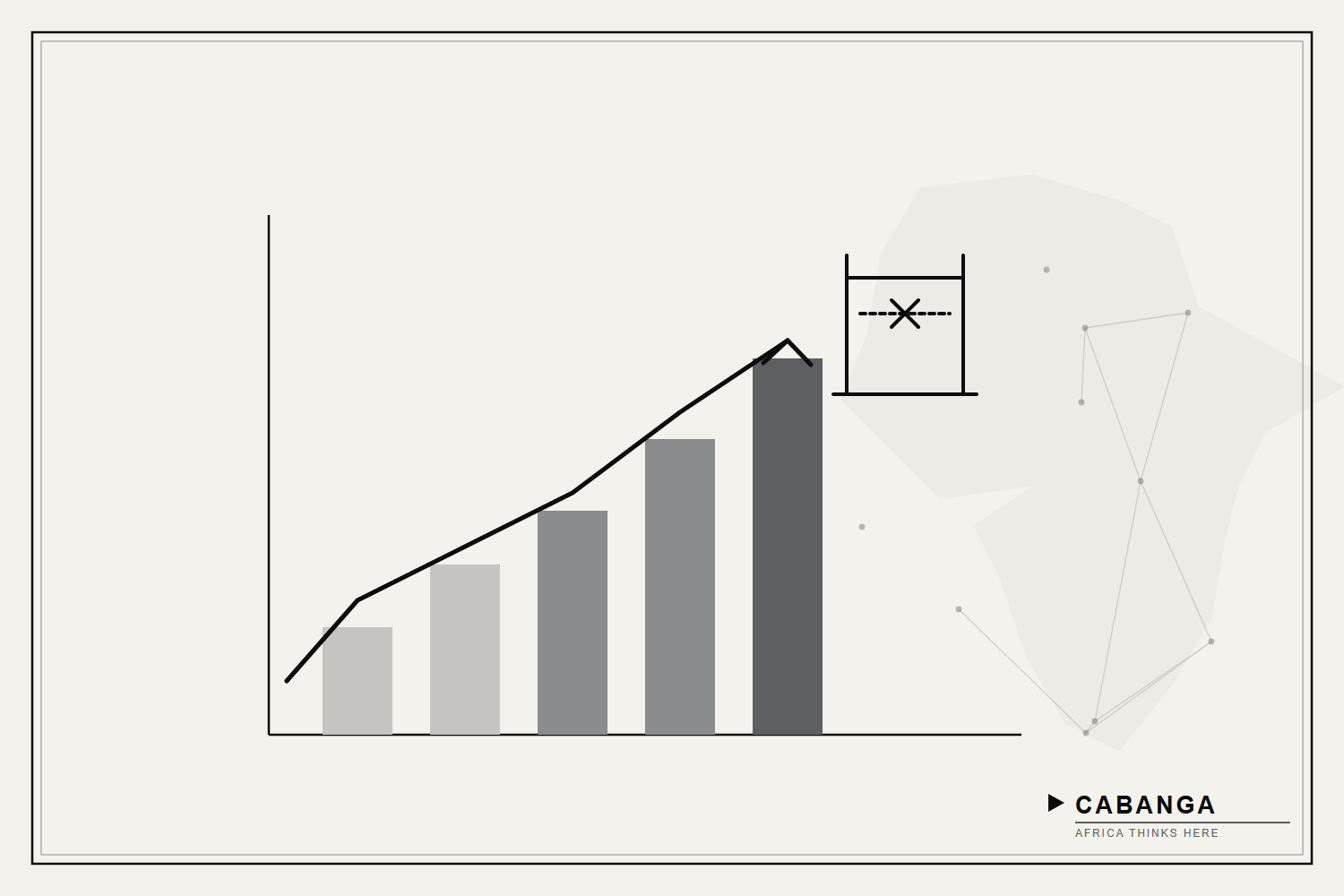

Every model of a tighter labour market assumes that scarcity buys something in return — higher output, better skills, a productivity dividend that justifies the higher wage bill. The exodus of migrant workers now under way across South African sectors threatens the opposite: wages that rise because labour has become harder to find, with no corresponding gain in what that labour produces.
Cabinet has acknowledged the economic stakes of the current climate, and its own statement following the meeting of 6 May 2026 frames migration and stability as matters of national economic management rather than security alone. For operators, the practical question is narrower and more immediate: what happens to margins when a workforce thins out faster than it can be replaced.
The Scarcity That Does Not Buy Productivity
Migrant labour in South Africa concentrates in specific, often physically demanding, corners of the economy — construction, agriculture, hospitality, domestic and informal services. These are roles where output depends on hands available at short notice, not on scarce credentials. Remove a share of that workforce through intimidation, displacement or departure, and the immediate effect is a shortage, not an upgrade.
Wages rise to attract replacements, but the replacements are not more productive; they are simply harder to recruit. The result is classic cost-push pressure inside the firm: the same task, more expensive, delivered no faster. In a market where the official unemployment rate has climbed, the intuition that displaced migrants are painlessly substituted by local workers underestimates how specific the matching problem is — skills, location, willingness and timing all have to align.
Takeaway: a shortage that raises pay without raising output is a margin problem, not a labour upgrade.
Recruitment as a New Line Item
Beyond the wage itself sits the cost of finding people at all. When a labour pool contracts abruptly, recruitment lengthens, turnover rises, and firms carry the expense of training entrants who may themselves leave. Reuters has reported that anti-migrant unrest risks measurable economic blowback for South Africa, and the recruitment channel is one of its quieter mechanisms — less visible than a burnt shopfront, but persistent on the income statement.
For a construction contractor bidding fixed-price work, or a hospitality group holding tariff cards through a season, these costs cannot always be passed on. They compress the margin directly. The firm that priced a project on last year’s labour availability now delivers it on this year’s scarcity.
Takeaway: recruitment friction is a cost even when the headline wage holds steady.
Where the Squeeze Lands Hardest
The pressure is not spread evenly across the economy. Sectors with thin margins and high labour intensity — agriculture at harvest, construction on tight schedules, service businesses with fixed price lists — have the least room to absorb a rising wage bill. Capital-intensive sectors can, over time, substitute equipment for people; labour-intensive ones cannot pivot on the timeframe of a single season or contract.
This is why a national wage statistic will understate the disruption. The average may move modestly while specific sub-sectors face acute, margin-eroding shortages. An operator who reads only the aggregate will miss the squeeze arriving in their own supply chain.
Takeaway: the thinner the margin and the more manual the work, the sharper the exposure.
Modelling the Margin, Not the Headline
The intelligence angle is a modelling discipline. Firms exposed to migrant-intensive labour should re-run project and service margins under scenarios of higher wage and recruitment costs — not as a remote tail risk, but as a base case for the affected sectors. That means stress-testing fixed-price contracts, revisiting tariff cards, and building labour-availability assumptions that reflect displacement rather than steady supply.
The wider lesson reaches beyond any single employer. An economy that loses labour to hostility rather than to opportunity pays twice: once in the wages it must lift to hold a shrinking workforce, and again in the output it never gains. For decision-makers, the task is to see that cost coming and price it in before the season, the contract or the quarter closes it in for them.


