
A trade area covering more than half of Africa's regional economic communities has just become law, and almost none of the market it touches was ready to notice. On 25 July 2024, the COMESA-EAC-SADC Tripartite Free Trade Area entered into force after Angola's ratification, deposited a month earlier, pushed the count of ratifying states past the threshold of 14 out of 29 signatories. The instrument had existed on paper since 2015. Its legal effect had not.
The contradiction sitting at the centre of this story is scale versus readiness. The 14 states that triggered entry into force account for 75% of the Tripartite bloc's combined GDP as measured in 2022, and the full 29-member grouping represents more than 60% of continental GDP — some US$1.88 trillion — and a combined population of 800 million people. That is, on paper, one of the largest single trade instruments on the continent. Whether a regional manufacturer or exporter can act on it today is a separate question, and the answer depends on which of the agreement's three implementation pillars has actually moved.
A threshold crossed, not a market opened
Entry into force is a legal event, not a commercial one. It means the Tripartite FTA Agreement is now binding on the 14 ratifying states — Angola, Botswana, Burundi, Egypt, Eswatini, Kenya, Lesotho, Malawi, Namibia, Rwanda, South Africa, Uganda, Zambia and Zimbabwe — with Djibouti's ratification also on record. It does not mean a uniform tariff schedule is live across all of them. According to SADC's confirmation of the agreement's entry into force, tariff offer negotiations among the ratifying states remain ongoing, even as the treaty itself takes legal effect.
That distinction matters for anyone pricing market entry. A manufacturer weighing whether to build regional distribution capacity now needs to know not just that the FTA exists in law, but which tariff lines it can actually use, and in which of the 14 states. The Rules of Origin framework — the mechanism that determines whether a good qualifies for preferential treatment as regionally produced — has been finalised, which is a genuine operational marker. Tariff offers, the schedules that translate rules of origin into an actual duty rate at the border, are the piece still being negotiated.
Three pillars, three different clocks
The Tripartite framework divides implementation across three institutions, each running its own pillar and, implicitly, its own timeline. Market integration — tariffs, rules of origin, trade remedies — sits with COMESA. Infrastructure development sits with the East African Community. Industrial development sits with SADC itself. For a regional operator this matters because progress on one pillar does not guarantee progress on another: a rules-of-origin certificate is only as useful as the corridor and port capacity that gets the shipment to market, and industrial policy incentives depend on a third institution's separate work programme.
That three-track structure is also why entry into force is better read as the starting gun for parallel workstreams than as a single completed reform. A firm assessing the opportunity should treat COMESA's market-integration progress, EAC's infrastructure delivery and SADC's industrial development output as three separate due-diligence questions, not one.
Which operators can move first
The Non-Tariff Barriers reporting mechanism — an online system through which traders can flag obstacles such as unjustified inspections, delays or fees — is already operational in 25 of the 29 Tripartite member states. That is a meaningful piece of live infrastructure: an exporter encountering an informal barrier at a border post now has a formal channel to record it, which creates a documented evidence trail even where a tariff dispute has not yet been resolved.
For firms already trading across two or more of the 14 ratifying states, the immediate opportunity is procedural rather than tariff-driven: using the NTB reporting system to surface friction, and tracking rules-of-origin certification as it becomes usable state by state. For firms not yet trading regionally, entry into force is a signal to begin the due-diligence process — mapping which of their products have finalised rules-of-origin treatment — rather than a signal that a new tariff-free market has opened overnight.
Reading the growth numbers correctly
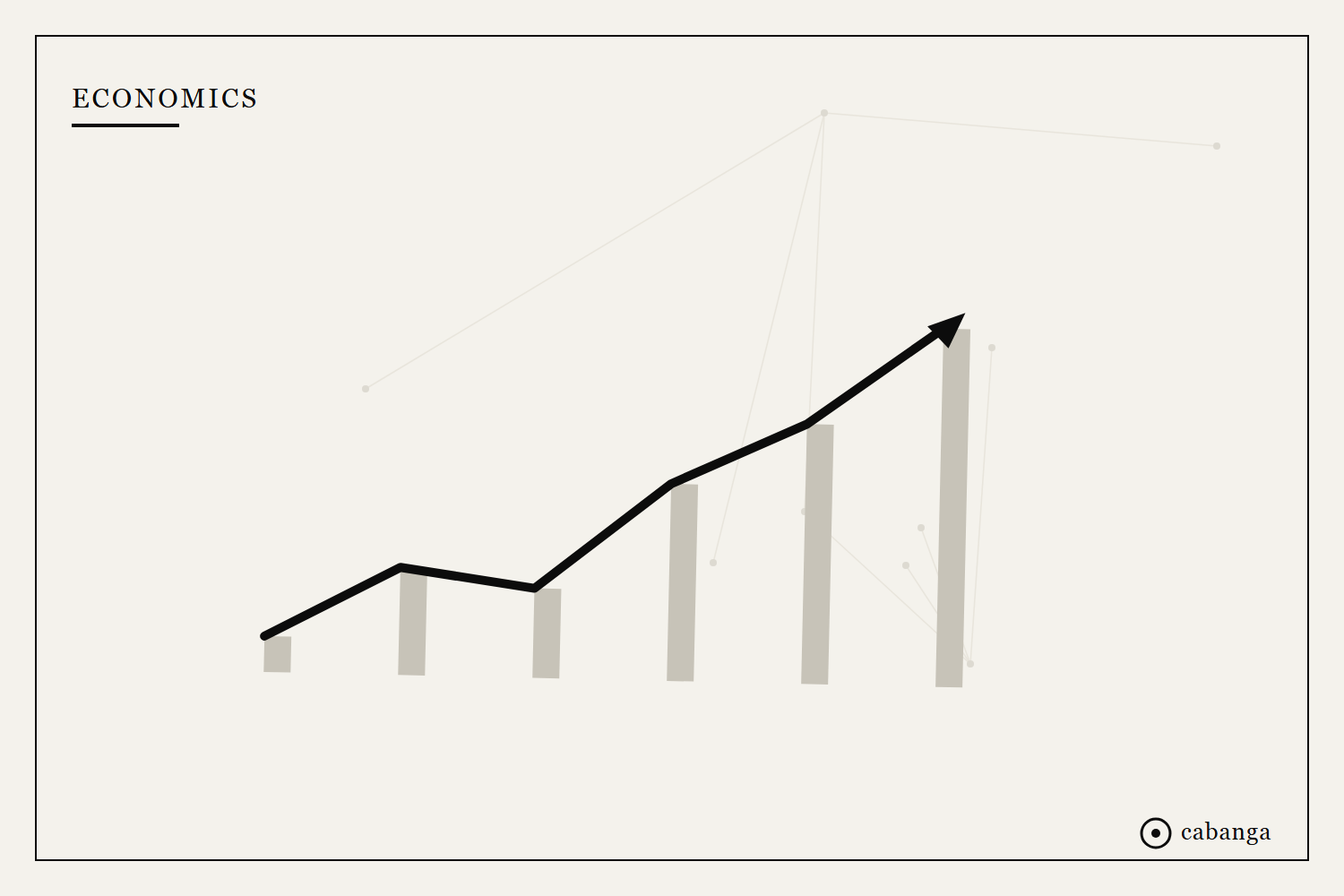
The GDP figures attached to this agreement are genuinely large, but they describe an addressable population, not a demonstrated trade flow. A market representing 800 million people and $1.88 trillion in combined output is the ceiling of what integration could eventually unlock, not a current baseline of intra-regional commerce. The 75%-of-GDP threshold that triggered entry into force is a ratification metric, useful for judging the treaty's political weight, not a measure of trade volumes moved under its terms.
Operators should therefore treat these figures as sizing the long-run addressable market for regional supply chains, while treating tariff-offer completion, rules-of-origin certification and NTB resolution rates as the near-term indicators that will tell them how much of that market is actually reachable within the next reporting cycle.
What comes next
The next verifiable milestone is not another summit but the publication of completed tariff offers among the 14 ratifying states — the schedules that convert a legal threshold into an actual, usable duty rate. Regional operators should also watch which of the remaining Tripartite signatories ratify next, since each additional ratification changes both the addressable market and the political weight behind implementation. Until tariff offers are finalised state by state, the safest reading of 25 July 2024 is that the door to a very large regional market has been unlocked in law, while the commercial terms of walking through it are still being negotiated pillar by pillar.
Sources
SADC Source: SADC Secretariat
Institutional Source: SADC Secretariat
Independent / Technical Source: World Bank