Capital moved toward mining, energy and resilient African assets. The map of global investment is being redrawn – and Botswana has to argue its way onto it.
A Cabanga Africa Publication
Africa Thinks Here
On-the-ground business intelligence in South Africa & Eswatini, since July 2019.
Section
Capital moved toward mining, energy and resilient African assets. The map of global investment is being redrawn – and Botswana has to argue its way onto it.
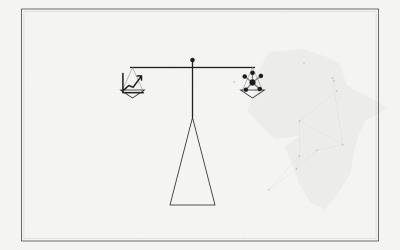
A fuel disruption in the Middle East showed how fast an oil shock can reach African inflation. Botswana, importing every litre it burns, has no buffer except policy.
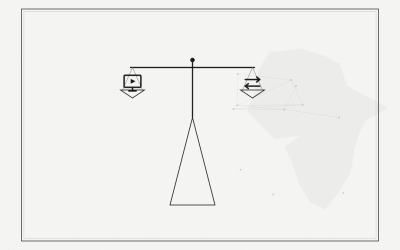
AI-related goods propped up global trade and import demand. Botswana buys that hardware rather than makes it – which is the point, and the opportunity.
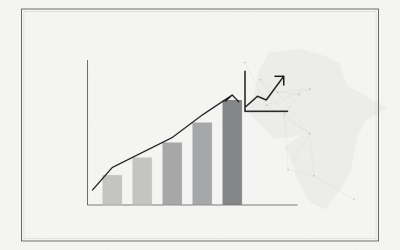
Budget and rating commentary kept returning to one demand: grow the economy outside mining. For Botswana the urgency is no longer theoretical – it is the difference between a rebound and a relapse.
Botswana’s fiscal plan contemplated breaching its own debt ceiling rather than cutting harder. That choice is a test of the credibility a country spends years building and minutes losing.
The IMF’s Africa chief sketched the continent’s long-run promise while warning of near-term shocks. For Botswana, both halves of that sentence are the planning brief.
World trade kept rising even as policy stayed unpredictable. For a small open economy like Botswana, that resilience is reassuring – and a reminder that the rules can still move under its feet.
Copper and energy demand firmed while diamonds softened. For Botswana, a country built on one stone, the lesson is to read the supercycle with caution, not celebration.
China has dropped tariffs to zero on 100 percent of tariff lines for least-developed African states. The harder work – meeting export protocols – is only beginning.