
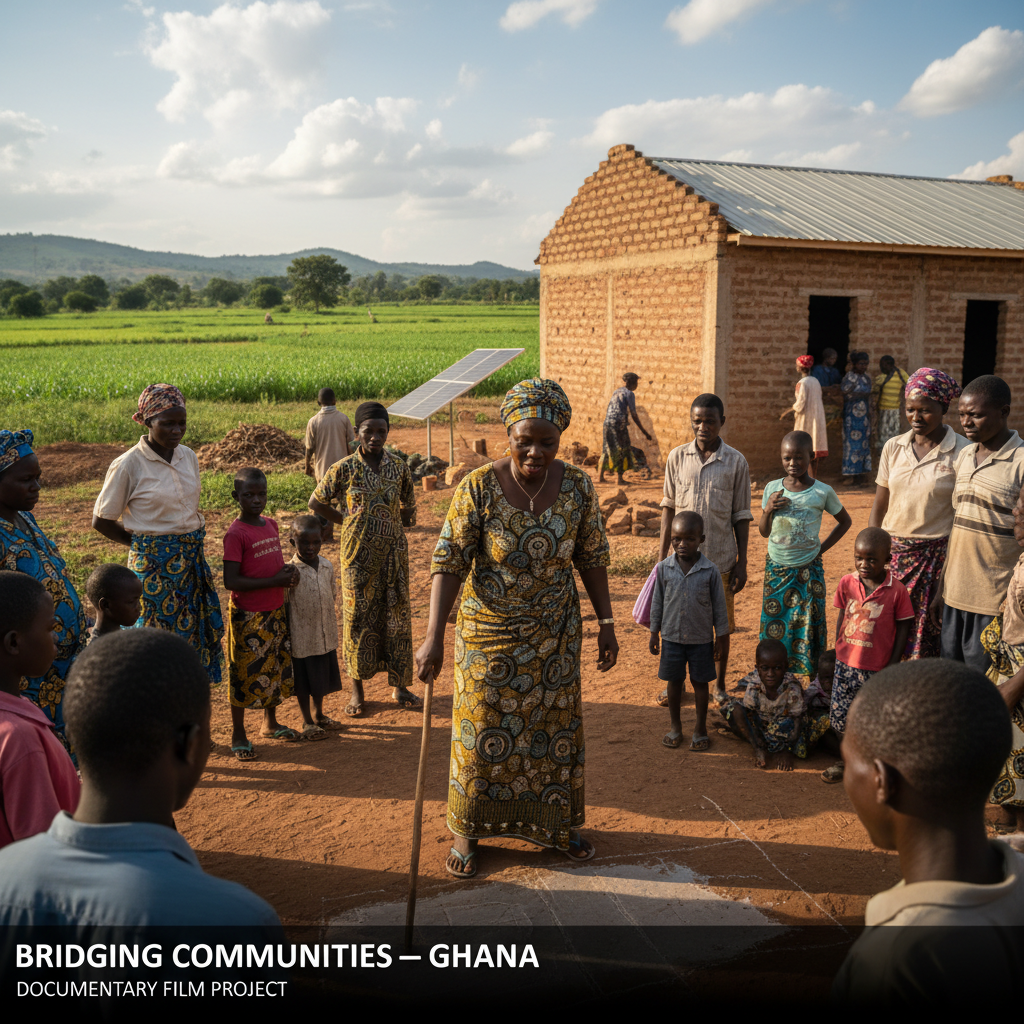
In Southern Africa, community leaders play a crucial role in driving rural development and bridging gaps in access to resources, infrastructure, and opportunities. These leaders often work at the grassroots level, empowering communities through innovative solutions, advocacy, and collaboration. This article highlights the transformative efforts of community leaders in fostering sustainable growth and improving livelihoods in rural areas.
Tackling Infrastructure Challenges
One of the most significant challenges facing rural communities in Southern Africa is inadequate infrastructure. Community leaders are addressing this issue by spearheading projects to improve access to clean water, reliable electricity, and transportation networks. Through partnerships with local governments, NGOs, and private organizations, these leaders mobilize resources and implement sustainable solutions.
For example, in Zambia, a community leader worked with international aid organizations to install solar-powered water pumps, providing clean drinking water to villages that previously relied on unsafe sources. Such initiatives not only improve health outcomes but also reduce the time and effort spent on water collection, enabling residents to focus on education and economic activities.
Enhancing Access to Education
Education is a powerful driver of development, yet many rural areas lack adequate schools, teaching materials, and trained educators. Community leaders are bridging these gaps by establishing learning centers, advocating for educational reforms, and leveraging technology to deliver quality education.
In South Africa, a rural community leader partnered with an EdTech organization to provide digital learning tools to under-resourced schools. By equipping classrooms with tablets and online resources, students gained access to a broader range of educational materials, improving academic performance and inspiring aspirations for higher education.
Empowering Women and Youth
Women and youth are often among the most marginalized groups in rural communities. Community leaders recognize their potential as agents of change and focus on empowering them through targeted programs. These initiatives include vocational training, microfinance opportunities, and leadership development workshops.
In Zimbabwe, a community leader established a cooperative for women artisans, enabling them to market their crafts and earn a sustainable income. The cooperative also provided mentorship and business skills training, fostering economic independence and boosting local economies. Similarly, youth-focused initiatives, such as sports programs and entrepreneurship training, help young people develop skills and confidence to contribute meaningfully to their communities.
Promoting Sustainable Agriculture
Agriculture remains the backbone of many rural economies in Southern Africa, but challenges such as climate change and limited access to modern farming techniques hinder productivity. Community leaders are driving the adoption of sustainable farming practices, introducing innovations like drip irrigation, organic fertilizers, and crop diversification.
For instance, in Malawi, a community leader launched a farmer-to-farmer knowledge-sharing program, where experienced farmers train their peers in climate-smart practices. This initiative increased yields, reduced environmental impact, and enhanced food security, demonstrating the power of collective action.
Advocating for Policy Change
Beyond implementing local projects, community leaders often advocate for policy changes that address systemic issues affecting rural development. They engage with policymakers to secure funding, influence regulations, and ensure that rural voices are represented in national and regional development agendas.
An example is a community leader in Lesotho who successfully lobbied for government subsidies on agricultural inputs, making them affordable for smallholder farmers. This policy change had a direct impact on improving rural livelihoods and boosting agricultural productivity.
Conclusion: Catalysts for Change
Community leaders in Southern Africa are catalysts for change, addressing critical gaps in rural development with creativity, resilience, and collaboration. Their efforts not only improve the quality of life for rural populations but also contribute to broader economic and social progress. By supporting and celebrating these leaders, governments, NGOs, and private sectors can amplify their impact and ensure a more inclusive and equitable future for all.
 WhatsApp for a Google-Ready Website

The Enterprise Mentor: Building Digital Strategy for South Africa’s Small Businesses
Oscar Manduku-Habeenzu facilitated a SEDA digital marketing programme in South Africa that evolved into the Cabanga Digital Navigator Certification for entrepreneurs.