For a cross-border payment firm, a sudden surge in transaction volume normally reads as good news. In South Africa’s remittance corridors this year, the same surge may be the first sign of a shrinking business. The number goes up as the customer base goes down, and a firm that cannot tell the two apart will misread its own market.
Reporting by the Associated Press on the anti-migrant violence points to repatriation, fear and diplomatic tension moving through the same population that sends money home. Those forces do not register cleanly in a monthly volume chart. They arrive mixed together, and separating them is now a core analytical task for any operator in the Rand-based remittance business.
Two Signals in One Number
Remittance flows from South Africa feed households across Zimbabwe, Mozambique, Malawi and Lesotho. The corridor is among the busiest in the region, and its providers — banks, money-transfer operators and fintechs — read volume as the pulse of the business.
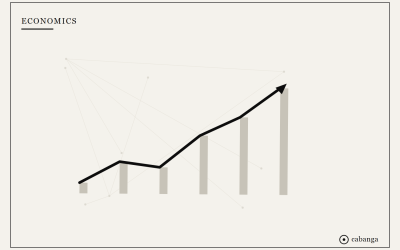
The problem is that a single volume figure can encode opposite realities. A rise can mean more customers sending more often, or the same customers pulling money out ahead of departure. A fall can mean lost customers, or simply senders who have already moved their savings and gone quiet. The headline number is ambiguous precisely when clarity matters most.
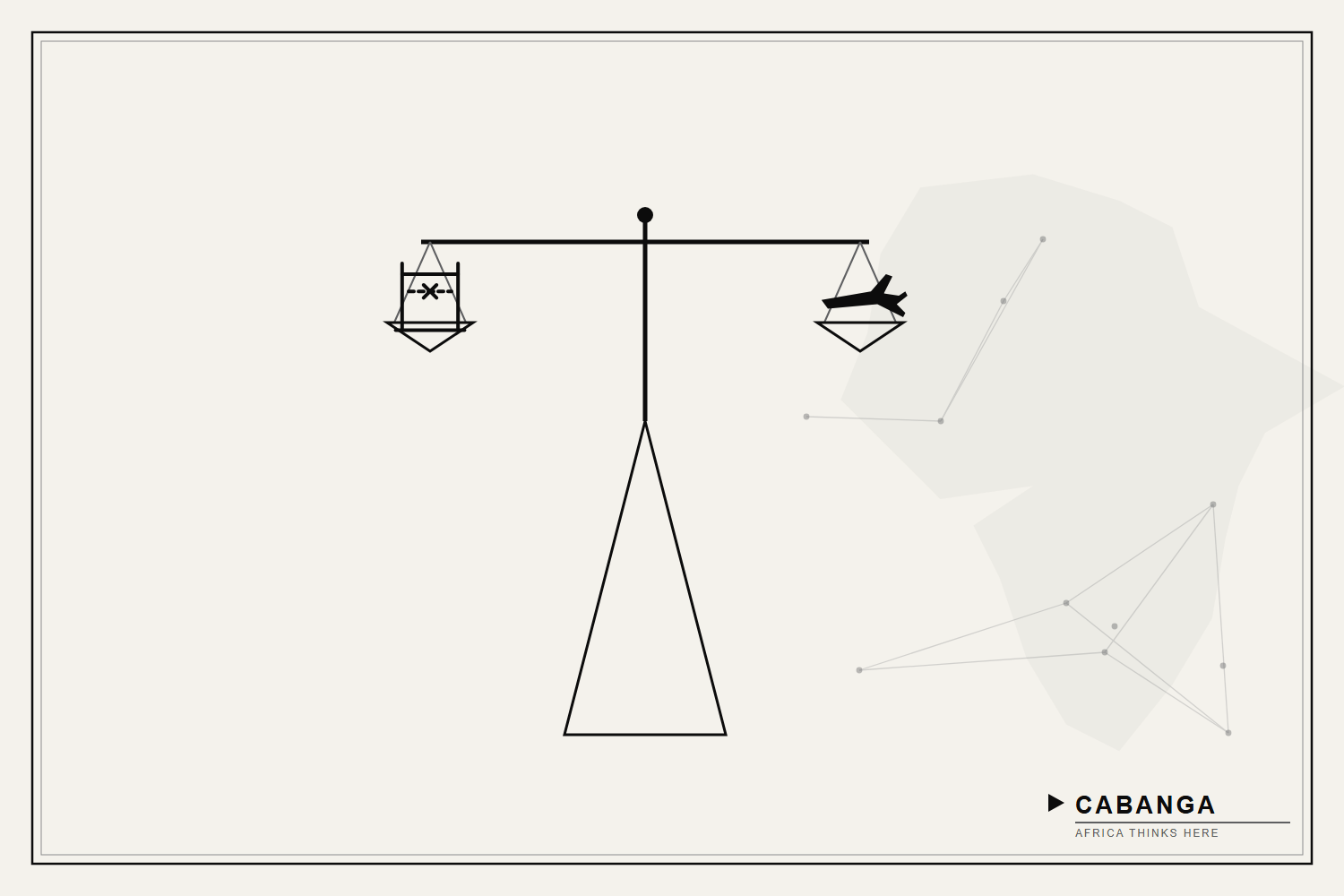
One figure, two futures — the operator’s job is to tell them apart.
The Evacuation Spike
When people prepare to leave, they move money. Savings are repatriated, balances are cleared, and transfers cluster into a short, intense window. To a dashboard, this looks like a strong quarter. It is closer to a liquidation.
An evacuation spike is front-loaded and self-terminating: it draws forward transactions that would otherwise have spread over months, then stops. Read as growth, it invites a firm to add capacity and cost just as underlying demand is about to fall. The Financial Times and AP have both tracked how quickly fear translates into movement in these episodes.
A spike that ends the relationship is not revenue growth; it is revenue harvested early.
The Sender-Base Contraction
Beneath the spike sits the slower, more consequential trend: contraction of the sender base itself. Every worker who leaves South Africa and does not return is a recurring transaction stream removed permanently. Diplomatic tension can compound this, straining the corridors and correspondent relationships that make transfers cheap and fast.
This is the signal that determines the firm’s medium-term value, and it is the hardest to see, because the evacuation spike temporarily hides it. Only when the front-loaded volume clears does the lower baseline become visible — by which point a strategy set on the spike is already wrong.
Contraction is quiet, durable and easy to miss until it is priced in for you.
The Trust Test
Alongside volume sits trust. Customers under pressure watch how a provider behaves: whether accounts stay accessible, whether funds move reliably, whether the firm treats them as clients rather than liabilities. Reliability under stress is remembered, and remittance customers are loyal to providers who did not fail them when it was difficult.
That loyalty travels. A worker who relocates to another SADC market, or who is later joined by family, carries a view of which provider held firm. The trust test is therefore also a retention strategy for whatever sender base remains.
For payment firms, the intelligence angle is precise: instrument the data to separate temporary evacuation spikes from durable sender-base contraction, and manage each differently. Do not add permanent cost against a front-loaded spike, and do not mistake a quiet baseline for stability. Model the corridor by cohort and behaviour, not by headline volume, and protect trust as the one asset that survives the shock. The firm that reads its own numbers correctly will make sober capacity and pricing decisions while competitors chase a surge that was really an exit.