
New Africa-focused analysis of Starbucks South Africa and vida e caffè examines accessibility, affordability, availability and route-to-market as the real mechanics of continental expansion.
GABORONE, Botswana – 27 September 2026 – A new comparative analysis by Cabanga Africa Group argues that winning African consumer markets requires more than brand recognition. Businesses must build themselves into the daily movement of the African customer.
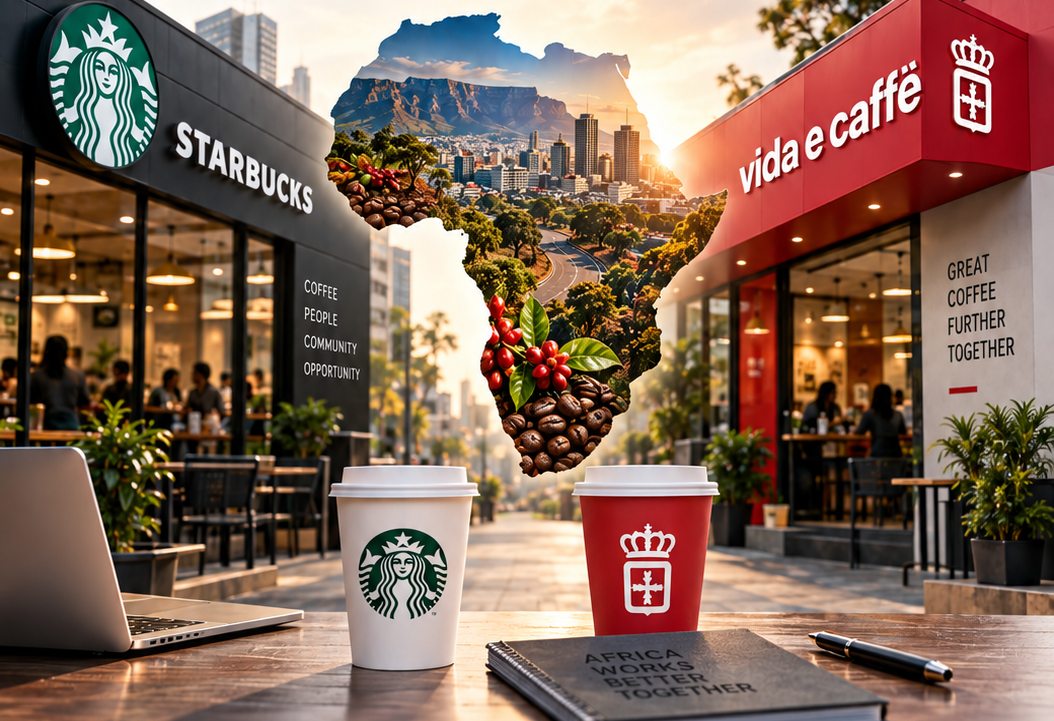
The report, Starbucks vs vida e caffè: Africa Market Comparative Analysis, compares Starbucks South Africa and vida e caffè strictly through an African market lens, examining their footprint, distribution systems, digital capability, loyalty programmes, localisation, food propositions, partnerships, franchising and routes to the customer.
Its central finding is that the two coffee businesses are pursuing fundamentally different operating models.
Starbucks South Africa has built depth around the customer through destination stores, app ordering, delivery, personalisation, stored value and structured rewards. Vida e caffè has built width around the customer’s daily movements, distributing coffee through traditional cafés alongside fuel forecourts, airports, corporate environments, drive-throughs, mobile units, vending, capsules and franchising.
The report argues that this distinction matters because African retail is ultimately tested by three practical conditions: accessibility, affordability and availability.
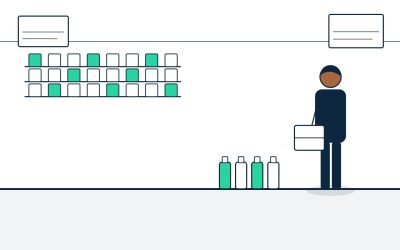
A customer must be able to reach the product. The price must sit comfortably enough within ordinary spending to encourage repeat purchase. And the product must be present at the moment and place where demand occurs.
“The African customer is not standing still waiting for a brand to arrive,” said Oscar Manduku-Habeenzu, Founder of Cabanga Africa Group and lead researcher of the report. “The customer is moving between home, work, fuel stations, shopping centres, airports and other parts of the daily economy. The commercial question is whether the brand is positioned inside that movement.”
Route-to-market becomes the competitive question
The report identifies route-to-market as one of the clearest differences between the two businesses.
Vida e caffè publicly presents a multi-format distribution system extending beyond conventional coffee shops into forecourts, airports, workplaces, drive-throughs and other commercial environments. Its African positioning is also more explicit, with the company publicly presenting operations across several African markets.
Starbucks South Africa, meanwhile, presents a more concentrated premium retail ecosystem built around physical stores, digital ordering, delivery and loyalty.
The analysis also identifies Starbucks‘ shop-within-a-shop presence inside Checkers supermarkets as an important additional route to the customer. Rather than requiring every point of presence to operate as an independent destination store, the model places Starbucks inside an existing shopping journey.
According to the report, that approach could become strategically significant if replicated more widely through established African retail networks.
Digital strength does not remove the physical distribution question
Both businesses demonstrate credible digital capability.
Starbucks South Africa combines app-based ordering, stored value and a structured rewards system. Vida e caffè combines order-ahead capability with cashback, payments, gifting, digital tipping and other loyalty functions.
The report finds that the distinction is not simply technological. The brands use digital tools differently: Starbucks builds behavioural engagement around structured rewards, while Vida communicates a more immediately visible economic return through cashback.
Both models strengthen customer retention, but neither removes the underlying African retail question of where the customer can physically access the product.
A wider lesson for companies entering Africa
Although the report examines two coffee businesses, Cabanga Africa Group says its conclusions extend beyond the coffee sector.
African expansion strategies frequently begin with brand, store location and marketing. The report argues that the sequence should begin earlier, with an examination of customer movement, existing distribution infrastructure, local ownership, entry price, operating format and the commercial ecosystems already serving the market.
That means asking whether expansion should depend entirely on standalone locations, or whether a business can enter through supermarkets, fuel networks, airports, workplaces, franchise partners, mobile formats or other existing channels.
“Africa does not necessarily reward the company with the most impressive flagship store,” Manduku-Habeenzu said. “It rewards businesses that solve the practical economics of access. Brand power can create demand, but distribution determines whether that demand becomes a transaction.”
The analysis was prepared from the companies’ Africa-facing websites, their publicly presented local propositions and first-hand market observation conducted across selected African cities.
Cabanga Africa Group describes the report as part of its wider editorial approach to African business intelligence: moving beyond announcements to examine the mechanisms underneath market expansion and the commercial decisions that follow.
About Cabanga Africa Group
Cabanga Africa Group is a pan-African business media operation publishing on-the-ground business intelligence from African markets. The group operates twelve regional magazine editions covering markets across the continent.
The full report, Starbucks vs vida e caffè: Africa Market Comparative Analysis, is published by Cabanga Africa Group.