
Consumers – Brands & Advertising · Editorial
By Moakanyi Magazine · Global Issue · June 2026
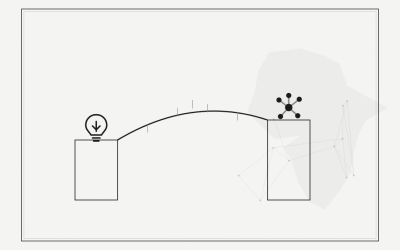
Botswana produces no crude, yet almost every price a household pays is quietly indexed to a barrel it never sees. When global physical crude markets wobble on Middle East supply shifts, the disturbance does not stop at the refinery gate. It travels down the supply chain as freight, as fuel levies, as the cost of moving a loaf of bread from a depot to a shelf in Maun. The recent disruptions raised transport costs and, just as importantly, price anxiety – the expectation of higher prices that changes behaviour before the higher prices even arrive.
For a landlocked economy that imports most of its refined fuel overland, this is not an abstract market story. The barrel is priced in dollars on a market Botswana cannot influence, then carried into the country along roads that add cost with every kilometre. By the time the price reaches a forecourt in Gaborone or a generator in a Kasane lodge, it has been translated into Pula, freight and risk. It is a consumer story, and it begins at the pump.
The pump as a transmission belt
Fuel is the most visible price in the country, posted in large numbers at every forecourt. That visibility makes it a powerful signal. When transport costs rise, the increase does not stay with motorists; it is passed into the price of nearly every tradable good, because almost everything on a Botswana shelf has been trucked there from a port or a neighbour. A disruption that raises the cost of a barrel becomes a disruption that raises the cost of a basket, with a lag measured in weeks rather than months.
The mechanism is mechanical, not mysterious. Diesel moves the trucks; the trucks move the goods; the goods carry their transport cost in their shelf price. A Selebi-Phikwe retailer restocking from a Gaborone wholesaler pays the fuel increase twice over – once in the wholesaler's delivery and once in the last leg to the shop. The further the town from the depot, the heavier the pass-through. Geography does the rest of the work the oil market started.
In a country that trucks in almost everything, the fuel price is the price of everything else, slightly delayed.
Anxiety moves faster than the barrel
The Reuters account is careful to separate two effects: actual cost increases and price anxiety. The second can matter more than the first. Households that expect prices to climb defer big purchases, trade down to cheaper brands, and tighten discretionary spending. Retailers and brands feel this shift in sentiment well before any official inflation figure confirms it. The mood at the till changes faster than the data, and it changes spending before a single price tag is rewritten.
This is why a fuel scare can soften retail trade even when the eventual price increase proves modest. The anxiety is self-fulfilling in the short run: cautious shoppers create the slower month they feared. For Botswana businesses, reading sentiment becomes as important as reading the pump board, because the consumer reacts to the headline before the cost actually arrives in the basket.
Price anxiety is a tax that consumers levy on themselves before the real one arrives.
What brands should read into it
For advertisers and brand owners in Gaborone, Francistown and the tourism towns, a fuel-driven squeeze rewards a particular kind of message: value made legible. Shoppers under pressure reward clarity on price, on portion, on what a Pula actually buys. This is not the moment for aspiration that ignores the receipt. The brands that hold share through a squeeze are usually the ones that respect the consumer's arithmetic rather than distract from it.
There is a craft to this. Communicating value without signalling desperation, holding a brand's quality promise while acknowledging the squeeze – these are the skills that separate the brands that emerge stronger from a fuel shock from those that simply discount their way into a weaker position. The squeeze is temporary; the trust earned by handling it honestly is not.
When the barrel jumps, the winning pitch is the one that does the customer's maths for them.
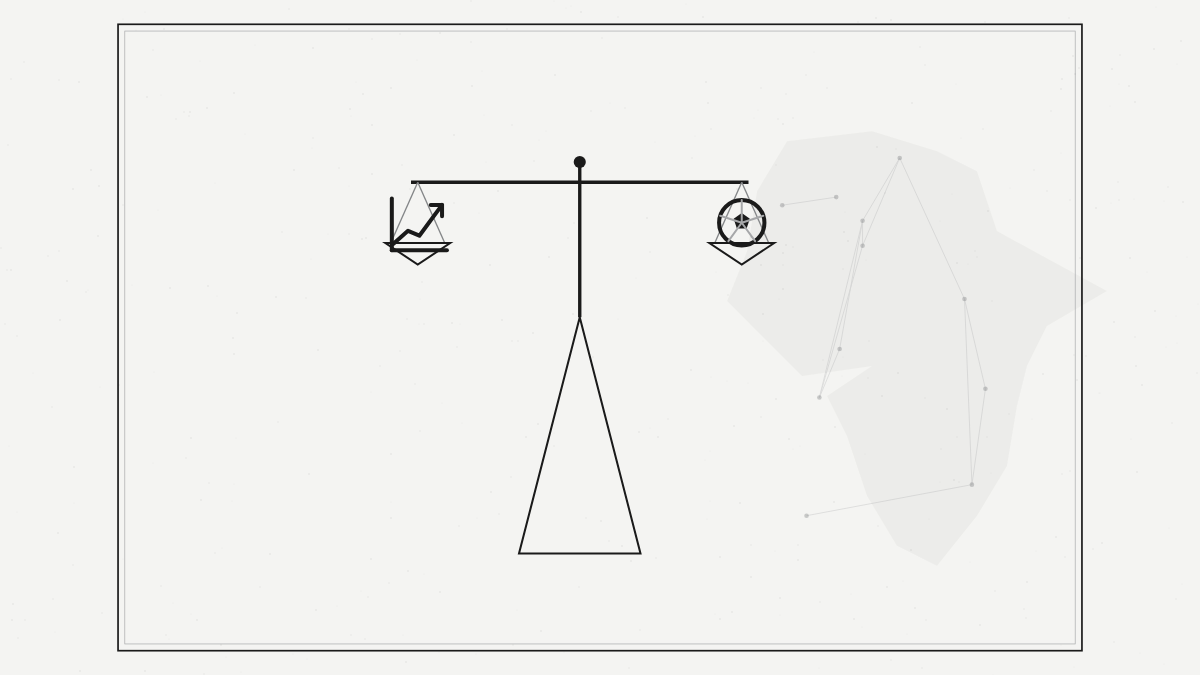
Botswana cannot set the price of crude, and the Middle East will keep doing what the Middle East does. What the country and its businesses can manage is the pass-through and the perception – how quickly cost lands, and how clearly value is communicated when it does. The barrel is global. The squeeze is felt one fuel gauge, and one shopping basket, at a time.
Sources: Reuters