Magazines have long played a pivotal role in shaping public opinion, and in Southern Africa, their influence extends beyond entertainment to social, cultural, and political spheres. From inspiring conversations on national identity to challenging societal norms, magazines are integral to fostering dialogue and reflection. This article explores the power of magazines in shaping public opinion across the region and their enduring relevance in a digital age.
The Role of Magazines in Southern Africa
Fostering National and Regional Identity
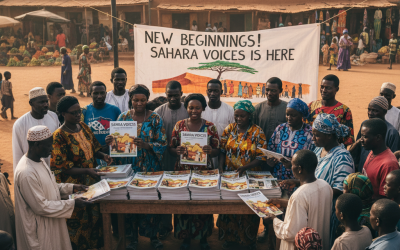
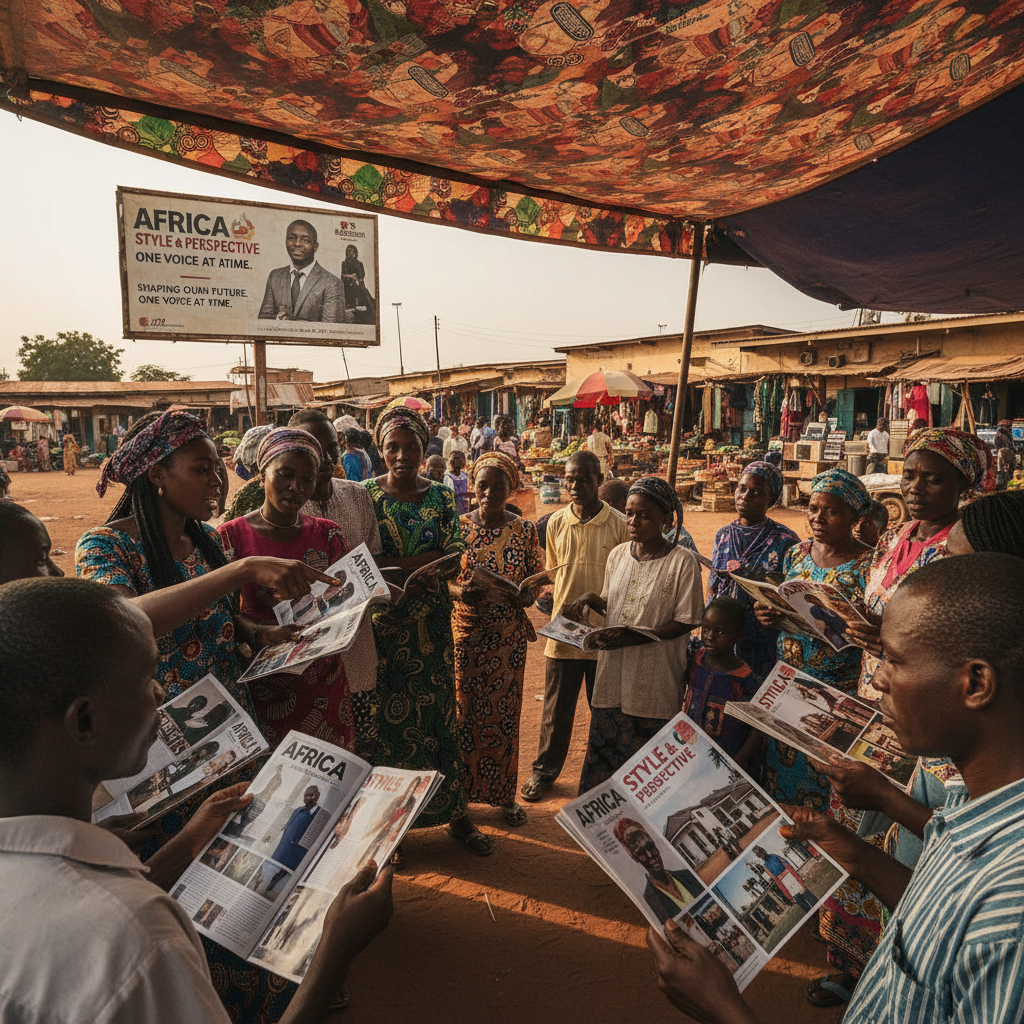
Magazines in Southern Africa have historically served as platforms for cultural expression. Publications such as literary and lifestyle magazines capture the essence of local traditions, languages, and experiences. By celebrating African narratives, they help strengthen a sense of identity and pride among readers.
Driving Social Awareness
Magazines have the unique ability to spotlight societal issues in a relatable format. Topics such as gender equality, mental health, and climate change are addressed in-depth, offering readers insights and sparking conversations. For instance, women-focused magazines often highlight stories of empowerment and resilience, creating awareness around gender rights.
Influencing Political Discourse
In a region marked by diverse political landscapes, magazines often play a watchdog role. Political magazines critically analyze policies, highlight governance challenges, and amplify marginalized voices. Their investigative journalism not only informs readers but also holds leaders accountable.
Promoting Consumer Trends
Magazines also shape consumer behavior by influencing lifestyle choices. From fashion and technology to wellness and finance, they act as trendsetters, helping readers make informed decisions. By blending editorial content with expert advice, magazines position themselves as trusted sources.
The Shift to Digital Platforms
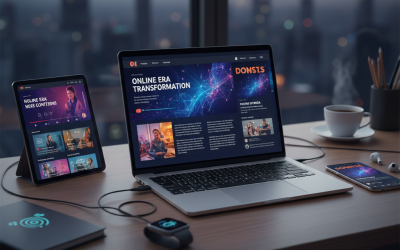
The digital age has expanded the reach of magazines, allowing them to influence public opinion beyond traditional print readership. Social media platforms, websites, and mobile apps have become critical tools for content distribution. Interactive features, such as polls and comment sections, foster greater engagement, enabling readers to contribute to public discourse actively.
While this shift has opened new opportunities, it also presents challenges. The digital realm demands fast-paced content updates, creating pressure on editorial teams to remain relevant without compromising quality.
The Challenges of Shaping Public Opinion
Maintaining Credibility
In an era of misinformation, maintaining editorial integrity is paramount. Magazines must ensure their content is fact-checked and unbiased to retain readers' trust.
Reaching Diverse Audiences
Southern Africa’s diverse population presents both an opportunity and a challenge. Magazines must balance addressing specific cultural contexts while appealing to a broader audience.
Navigating Financial Constraints
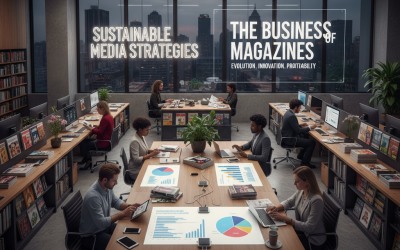
Sustaining high-quality journalism requires resources, yet many magazines face shrinking advertising revenues. Diversifying income streams, as discussed in previous articles, is essential to overcoming this hurdle.
The Future of Magazines in Public Opinion
Magazines in Southern Africa are poised to continue shaping public discourse by adapting to changing media consumption habits. By leveraging their storytelling expertise and embracing digital innovations, they can remain influential voices in society. Whether addressing pressing issues or celebrating achievements, magazines hold a unique place in fostering informed, engaged, and connected communities.
 WhatsApp for a Google-Ready Website

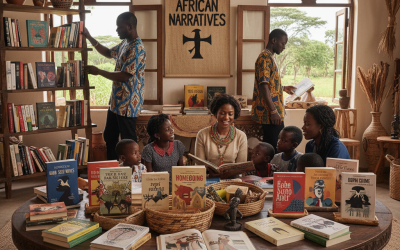
Celebrating African Narratives Through Magazines
Discover how Southern African magazines celebrate African narratives through storytelling, cultural preservation, and talent promotion. Explore their impact on local and global audiences.