
Lifestyle – Travel & Destinations · Editorial
By Moakanyi Magazine · Global Issue · June 2026
Botswana sells the world a story about diamonds, and the story is only worth as much as the buyer's confidence on the day they hear it. The stone in a Gaborone showroom and the room rate at a high-end Okavango camp are sold to the same kind of customer, in the same kind of mood, and both fall under pressure when the global luxury picture darkens. That shared dependence is easy to miss until a single shift in sentiment moves the showroom and the suite together, and the country's two most prestigious exports soften in the same quarter.
Reuters reports that S&P downgraded Botswana as the diamond sector faces global headwinds. For a country where diamonds anchor the budget and the brand alike, the downgrade is both a fiscal signal and a storytelling problem: the marketing of Botswana as a place of rare, high-value experience leans on the same prestige that sells the stone. When that prestige is questioned, the whole luxury proposition has to work harder to hold its price, and the people who tell that story have to think harder about what they are really selling.
Sentiment moves the showroom and the suite together
Luxury is a confidence trade. When diamond demand softens, it usually softens because the buyers who acquire diamonds are also trimming the long-haul holiday, the private lodge and the bespoke trip. Botswana feels this twice over, because the same global consumer underwrites both Debswana's order book and the upper end of its tourism, from the mines at Jwaneng and Orapa through to the camps that price their suites in US$.
The practical consequence is that a soft diamond cycle and a soft luxury-travel cycle tend to arrive together, and an operator who reads one can usually anticipate the other. The customer who hesitates over a stone this quarter is often the customer who postpones the trip in the next, which makes the diamond market an early indicator for the tourism desk as much as for the treasury.
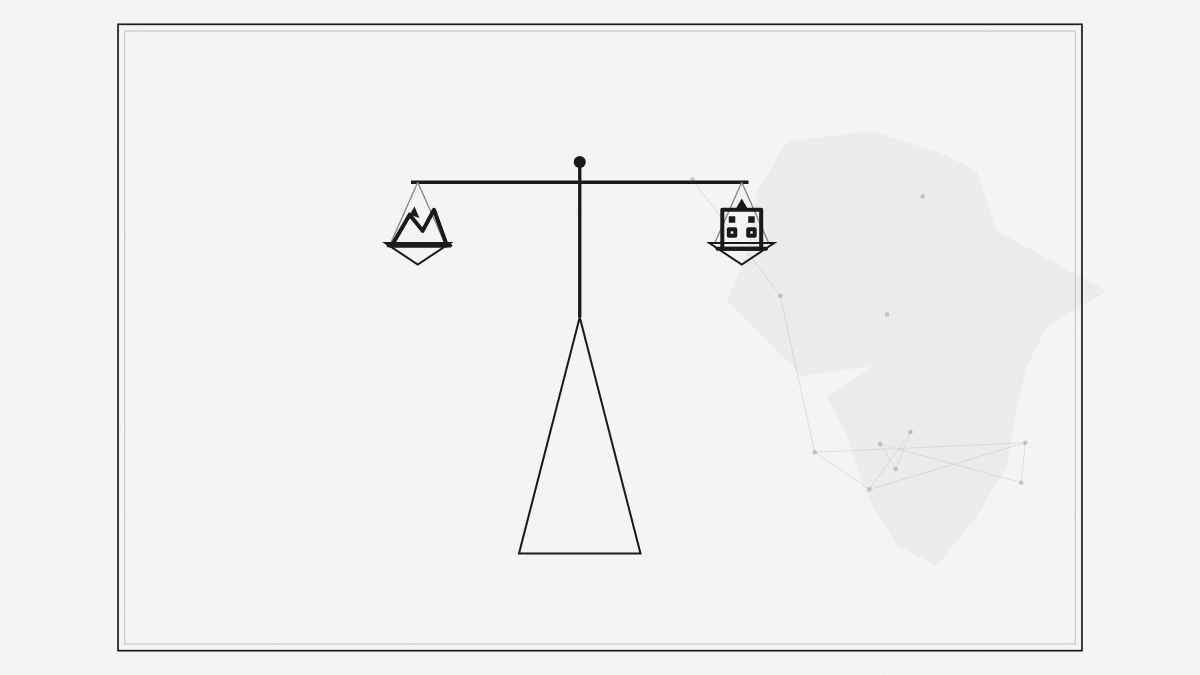
For Botswana, that correlation concentrates risk. A diversified economy spreads its exposure across unrelated demand; an economy whose flagship export and flagship experience answer to the same buyer carries both eggs in one basket. Recognising the link is the first step to managing it, by treating the diamond cycle as a planning signal for the whole high-value sector rather than a problem confined to the mines.
The customer who hesitates over a diamond hesitates over a suite the same week.
A downgrade is a brief, not a verdict
A sovereign downgrade names a real strain, but it also sharpens where Botswana's advantage actually sits: scarcity, provenance and a story that buyers trust. The marketing answer is not to discount the experience but to make its rarity legible, the way a certified origin makes a stone worth more than its carats. Provenance is the through-line that survives a soft cycle better than price ever does, and it is the part of the offer that a competitor cannot simply undercut.
A diamond from Botswana and a night in the Delta both sell on the promise that the thing is genuine, finite and traceable to a place. That promise is what a discount cannot buy and a downgrade cannot erase, and it is the part of the brand worth defending hardest when confidence is thin. Cutting the rate to chase a nervous buyer trades away the one quality that justified the rate in the first place.
Scarcity, told plainly, outlasts a soft cycle.
What the operator does next
For tourism operators and BITC alike, the practical move is to tie the luxury story to verifiable provenance and conservation, the parts of the Botswana brand that survive a downgrade intact. The diamond sector's headwinds are a warning to read demand carefully and to compete on meaning rather than on margin, holding the price by holding the story rather than slashing the rate the moment the headlines turn. A soft cycle ends; a cheapened brand is harder to rebuild.
The wider lesson sits one level up. Botswana has spent decades turning a finite resource into national stability, and the same instinct applies to its luxury tourism: protect the scarcity, certify the origin, and let the experience carry the premium that the headlines cannot. The downgrade describes a hard quarter, but the asset under it, a place buyers genuinely trust, is exactly what holds its value when the cheaper alternatives lose theirs.
When confidence dims, sell the thing that cannot be copied.
Sources: Reuters