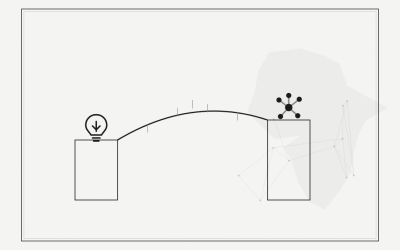
The bank customer sending money across a SADC border has historically experienced regional integration as a wait: two, three, sometimes more days between instructing a payment and having it reflect on the other side. That wait is the contradiction now facing a system that, on paper, no longer requires it. SADC's regional real-time gross settlement platform has moved into multi-currency operation, meaning the technical capacity for same-day, cross-border settlement now exists across 85 participating banks in every member state except Comoros. Whether the ordinary business customer or retail user actually experiences that improvement is a separate question, and it is the one this readership needs answered before treating the announcement as a consumer-facing change.
Payment infrastructure upgrades of this kind are frequently invisible to end users for a simple reason: banks are not obliged to pass a settlement-speed improvement through to customer-facing services on the same timetable, or at all. A retail customer or small trader moving money between, say, Mauritius and a mainland SADC market will only notice a difference in price, speed or transparency at the point their bank chooses to redesign its own cross-border product around the new rail.
For consumers, e-commerce operators and cross-border traders, the thesis is this: multi-currency RTGS is necessary infrastructure for faster, cheaper regional payments, but it is not sufficient on its own, and the real test of adoption is whether banks and payment providers rebuild retail and merchant products to actually use it.
What the platform confirms, and what it does not
SADC's published account of this milestone confirms that the multi-currency RTGS platform enables member states to settle payments among themselves in real time, replacing a process that previously took several days for cross-border transactions to clear. It confirms 85 participating banks across fourteen member states, with Comoros not yet on the system.
It does not confirm retail pricing, whether participating banks are passing settlement-speed gains through to customer transaction fees, or whether any consumer-facing payment app, mobile-money service or e-commerce checkout in the region has been rebuilt to route through the platform. Those adoption details are unconfirmed [TK], and they are precisely the details that determine whether this is a consumer story yet or only a wholesale-banking one.
The gap between wholesale settlement and retail experience
Real-time gross settlement, by design, operates at the level of bank-to-bank transfers, not individual retail transactions. A consumer paying a supplier in another SADC country, or a small e-commerce merchant collecting from a customer across the border, interacts with their own bank's or payment provider's product layer, which sits on top of the settlement rail rather than being identical to it.
That distinction matters because it means the platform's multi-currency capability is a necessary condition for faster, cheaper cross-border retail payments, not a guarantee of them. Banks can, in principle, keep charging existing cross-border fees and holding existing processing times even after their own settlement has sped up, simply by not redesigning the customer product around the new capability. Whether that happens is a commercial choice each bank makes, and it is not yet visible in the public record.
Reading demand signals in e-commerce and marketplaces
Cross-border e-commerce and marketplace operators in Mauritius, Seychelles and the wider region are a useful early indicator to watch, because they are the businesses with the clearest commercial incentive to push their banking partners toward passing settlement-speed gains through to merchant accounts. A marketplace settling payments to sellers in a different member state has a direct cost interest in faster clearing and in being able to price in more than one regional currency without punitive conversion spreads.
If multi-currency RTGS genuinely reduces the cost of moving money between SADC markets, the first visible sign should be merchants and marketplace operators publicly citing faster payout cycles or reduced cross-border fees, rather than banks issuing statements about backend settlement capability. That evidence has not yet appeared, and its absence in the weeks since go-live is itself informative: it suggests retail and merchant product redesign, where it happens, is likely to lag the infrastructure launch rather than follow it immediately.
What adoption evidence would actually look like
For consumers and small operators, the honest framing is that this month's development is a platform capability, not yet a demonstrated improvement in what they pay or how long they wait. The distinction is not pedantic: a bank can operate on top of a faster settlement system while leaving its retail pricing and processing times unchanged, and only competitive or regulatory pressure typically forces the pass-through.
The signals worth tracking over the coming months are practical ones: whether any bank publicly advertises same-day cross-border transfers to retail or business customers referencing the new platform; whether mobile-money or fintech providers announce integration with SADC-RTGS specifically; and whether cross-border transaction fees for retail customers move at all. None of those signals exist yet in the record available at the time of writing.
What comes next
The implementation test for consumers and e-commerce operators is adoption at the product layer, not the wholesale settlement layer that has just gone live. Cross-border shoppers, small traders and marketplace sellers will feel the benefit of this platform only once individual banks and payment providers choose to rebuild retail products on top of it, and disclose faster processing times or lower fees as a result.
Until that product-layer evidence appears, the sensible reading for this readership is cautious: the region now has the settlement infrastructure to support faster, cheaper cross-border retail payments, but the retail experience itself has not yet changed, and no publicly available data yet shows when it will.
Sources
SADC Source: SADC Secretariat
Independent / Technical Source: Bank for International Settlements