
Content – Voices & Podcasts · Editorial
By Moakanyi Magazine · Global Issue · June 2026
A magazine can publish hundreds of stories and still leave a reader asking the only question that matters: where is the opportunity. As the WTO's leading indicator pointed to continued trade resilience, the signal was steady but diffuse, the kind of macro read that reassures without directing. The Africa Thinks Here Index is built to turn that diffuse reassurance into a ranked, navigable map of where a Botswana operator should actually look.
This Voices and Podcasts product ranks opportunities by section across the nine-desk architecture. Rather than leaving readers to assemble the picture themselves from scattered coverage, it orders the field, so a Botswana operator can see at a glance which desks are surfacing the strongest signals this cycle and which are quiet. The Index invents nothing; it ranks what the network has already identified, which is a smaller but far more useful task than prediction.
Ranking by section: structure as a navigation tool
The Index uses Moakanyi's nine-desk structure as its spine, scoring and ordering opportunities desk by desk. The effect is to convert a wall of coverage into a hierarchy a reader can act on, with the strongest current openings rising to the top of each section and the marginal ones sitting lower, where they belong. A reader does not have to hold the whole publication in their head to find the live signal.
For a founder in Gaborone deciding where to spend scarce attention, that ordering is the entire value. Attention is the binding constraint on most small operators, more than capital and often more than information, and the Index respects it by doing the triage. It does not pretend to know which opportunity any one firm should pursue; it simply puts the highest-signal areas where a busy reader will see them first.
Coverage tells you what happened; an index tells you where to look first.
Reading a resilient world: opportunity in steady trade
The WTO indicator's message, that trade is holding up rather than fracturing, is exactly the kind of macro read the Index exists to localise. Resilient global trade is good news for an open economy like Botswana's, but only if a firm can see where that resilience translates into a specific opening for beef, minerals, tourism or services. A steady world is not an opportunity until it is pointed at a door.
By ranking against live signals like this one, the Index keeps its ordering current rather than frozen. A steady trade environment shifts which sections deserve attention, lifting some desks and lowering others, and the ranking moves with it. That responsiveness is what separates an index from a static contents page: it is meant to be re-read precisely because the world it ranks keeps moving.
Resilience at the global level is only useful once it points to a local door.
Where it sits in the network
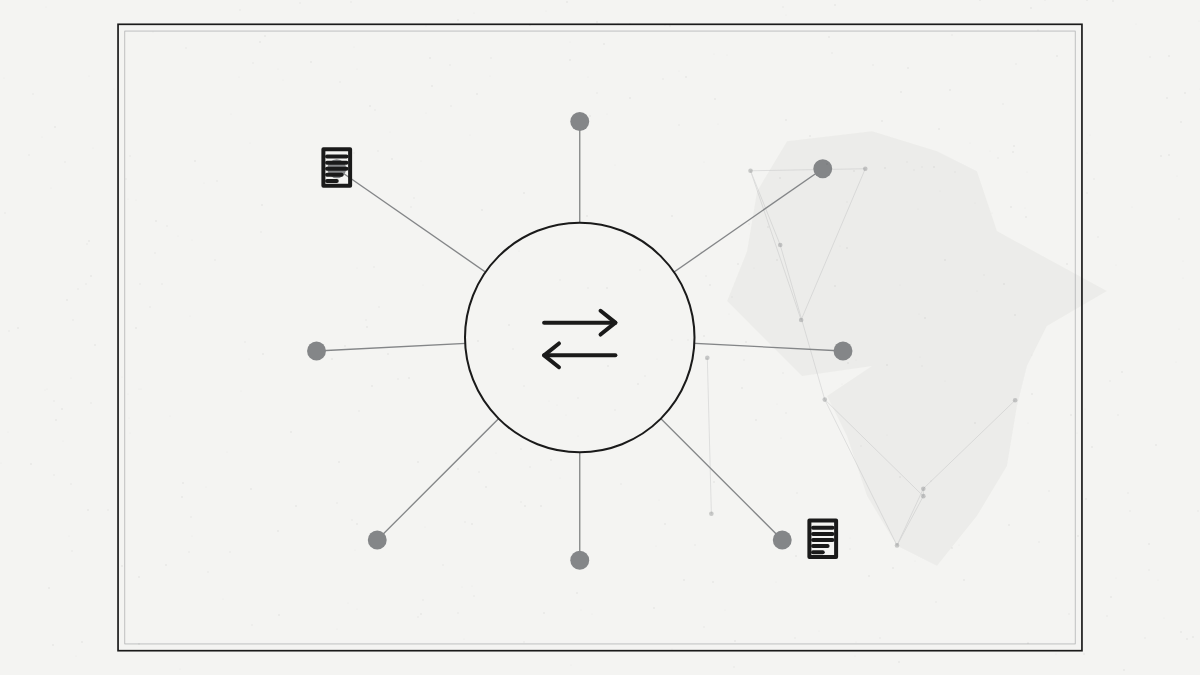
Within the nine-desk architecture, the Index belongs to Voices and Podcasts as the navigational layer over everything else: a recurring read that sits above the individual desks and orders them into a single view. It is the table of contents for opportunity rather than for articles, and it is the product a returning reader is likely to open first, before drilling into any one desk.
For Botswana, that ordering function is the quiet payoff of having a structured publication at all. The Africa Thinks Here Index turns the network's nine desks into a single ranked view, so a reader with limited time can still find the opening that fits their sector and their stage. The structure was always there; the Index is what makes it usable. A directory or a desk tells a reader what exists; a ranking tells them where to start, and for an operator choosing between a dozen plausible directions, that nudge toward the strongest signal is often worth more than any single article beneath it.
Africa thinks here, and the Index is where that thinking gets ordered.
Global trade is proving more durable than many feared, and the risk for a reader is not scarcity of news but drowning in coverage of it. The Africa Thinks Here Index answers that by ranking opportunities by section across the nine-desk architecture. For Botswana operators, it is less a story than a compass: a way to take a resilient but sprawling global picture and find, quickly and honestly, the desk where their next move begins.
Sources: WSJ