South Africa spent three decades accumulating an asset that never appeared on any ledger: the standing to convene, to mediate, and to speak for the continent in rooms where Africa’s weight is decided. That asset is now being tested by events at home.
When Ghana postponed a set of meetings with Pretoria, citing anti-migrant violence, the signal travelled further than the cancelled agenda. As Reuters reported the delay, it read as a diplomatic rebuke; but for anyone treating South Africa as an investment case, it was something more precise. It was a data point on the erosion of diplomatic capital, and a reminder that such capital carries a cash value.
The Asset Nobody Priced: Standing as Collateral
Diplomatic capital is easy to dismiss as sentiment. It is better understood as collateral. A state that convenes commands agenda-setting power in trade talks, gathers allies in multilateral votes, and reassures capital markets that it can manage its own neighbourhood. South Africa has drawn on this reserve at the African Union, within SADC, and across the machinery building the African Continental Free Trade Area.
The reserve is finite. Every episode that casts the country as a source of regional instability rather than a steward of it draws the balance down. Unlike a credit facility, it is not replenished by a single strong quarter.
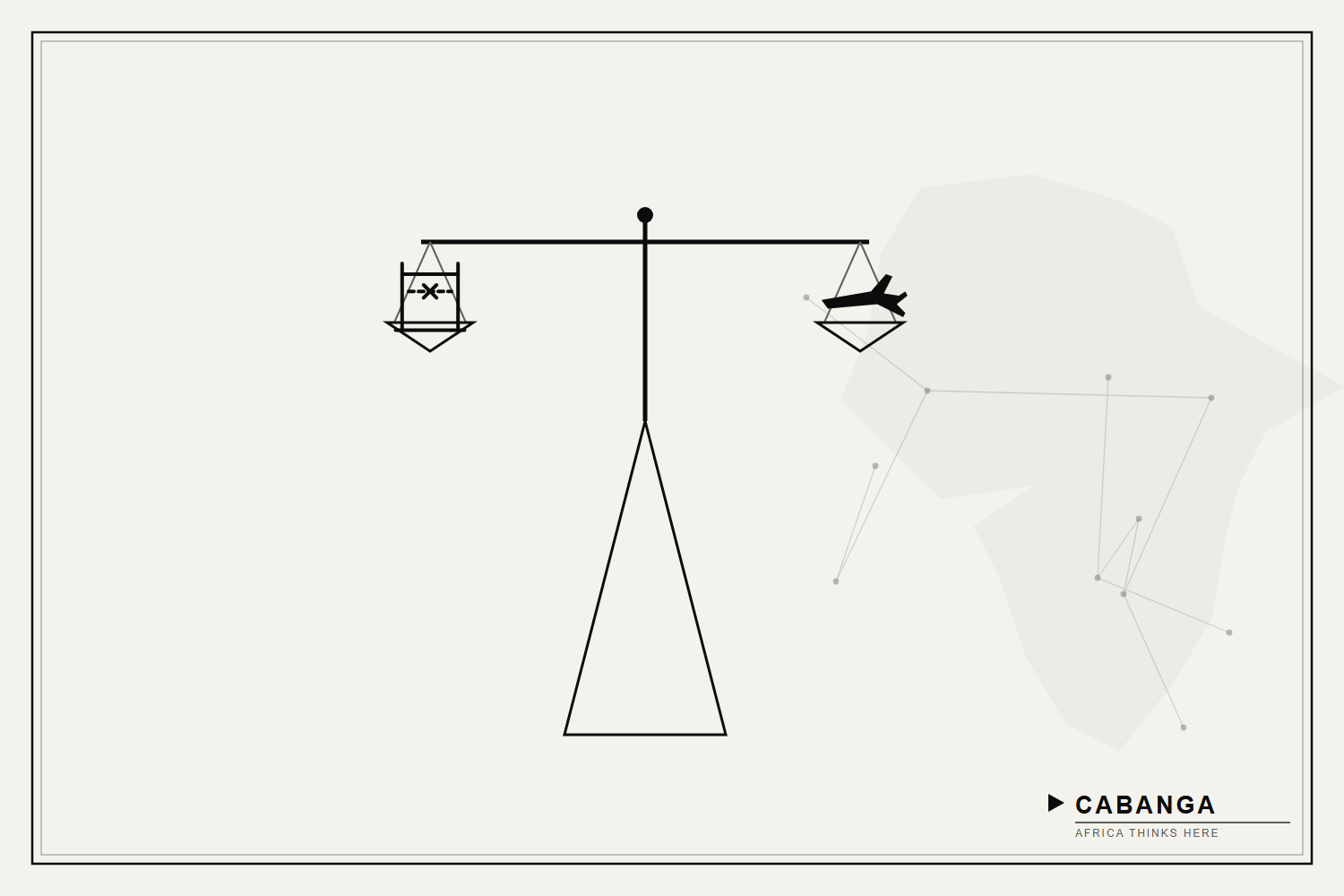
Standing is not a soft asset; it is working capital that trade and diplomacy spend every day.
Ghana’s Signal: When a Postponed Meeting Prices Something
A delayed bilateral is not a sanction. It imposes no tariff and freezes no account. Its cost is informational. It tells other governments that association with Pretoria now carries a domestic-politics discount, and it invites them to hedge accordingly, quietly and without a communiqué.
That hedging is where the economic transmission begins. AfCFTA implementation depends on South Africa’s convening weight to harmonise rules of origin, customs procedures and standards. A Johannesburg-headquartered bank, retailer or logistics group expanding north relies on the diplomatic groundwork the state lays ahead of it. When that groundwork softens, the private sector inherits higher entry costs, longer approvals and thinner goodwill in capitals from Accra to Nairobi.
The bill for lost standing is rarely itemised; it arrives as friction downstream.
The Transmission Belt: From Summit Room to Sovereign Spread
Markets price political risk into the cost of money. A country seen as unable to manage social stability, or as isolated among the peers it once led, attracts a wider risk premium on its debt and its equities. The Rand, the JSE and the sovereign yield curve all sit at the end of a chain that begins in the summit room.
The mechanism is not dramatic and it is not immediate. It works through analyst notes, allocation reviews and the slow re-rating of a country’s institutional quality. Diplomatic isolation and domestic unrest are inputs to that re-rating, whether or not they are named as such. For an economy whose growth depends on foreign capital and continental market access, such a re-rating is not a marginal adjustment; it feeds into the cost at which every South African borrower, public and private, raises money.
What looks like foreign policy is, at one remove, the price of South African capital.
So What: Put Diplomatic Capital on the Risk Register
The intelligence task is to stop treating diplomatic standing as an abstraction belonging to the foreign ministry and start treating it as an economic variable that belongs on the risk register. For investors and executives with continental exposure, that means tracking South Africa’s diplomatic signals — postponed meetings, cooled partnerships, absences from the tables it used to chair — as leading indicators of expansion cost and country risk, not as background noise.
Diplomatic capital is drawn down quietly and rebuilt slowly. The operators who price it early will read the next postponement not as a headline, but as a line item.