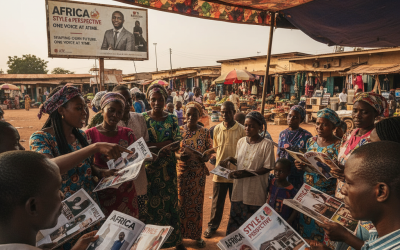
The magazine industry in Southern Africa is evolving rapidly, responding to shifts in consumer behavior, digital disruption, and economic pressures. For magazine publishers, maintaining sustainability means diversifying revenue streams while staying relevant to their audiences. This article explores effective revenue models for magazines in Southern Africa, offering actionable insights for publishers seeking long-term viability.
The Current Landscape of Magazines in Southern Africa
Magazines have historically relied heavily on advertising and print sales for revenue. However, declining print subscriptions and increased digital adoption have reshaped this landscape. Readers are now consuming content on multiple platforms, including websites, social media, and apps. This shift demands that publishers adapt and explore innovative revenue-generation strategies.
Diversified Revenue Models for Magazines
1. Subscription Models
Subscription-based revenue remains a cornerstone for magazine sustainability. In Southern Africa, publishers are transitioning from traditional print subscriptions to digital models. By offering tiered plans, such as monthly, annual, or premium memberships, magazines can appeal to a broader audience. Digital subscriptions often include perks like exclusive content, e-books, and early access to articles.
2. Advertising and Sponsored Content
Advertising continues to play a significant role in magazine revenue, but the approach has evolved. Native advertising and sponsored content integrate seamlessly into editorial frameworks, providing value to readers while maintaining authenticity. For instance, a health magazine might collaborate with fitness brands to produce informative, sponsored articles.
3. Events and Conferences
Organizing events, workshops, and conferences is an effective way for magazines to build community engagement while generating revenue. Industry-specific magazines can host networking events or panel discussions, creating new income opportunities. For example, a business-focused magazine could organize leadership summits or entrepreneur workshops.
4. E-Commerce Integration
Magazines are increasingly incorporating e-commerce into their platforms. By curating products that align with their brand, publishers can monetize their influence. For example, a lifestyle magazine might sell fashion items, while a tech magazine could promote gadgets. This model not only generates revenue but also strengthens the magazine’s brand identity.
5. Educational Content and Courses
Magazines with expertise in niche industries can create educational content or online courses. For instance, a financial magazine could offer courses on budgeting and investments. This approach not only diversifies revenue but also positions the magazine as a thought leader in its field.
6. Donations and Crowdfunding
For smaller, independent magazines, crowdfunding and reader donations can provide financial stability. Platforms like Patreon allow readers to support their favorite publications directly, ensuring continued access to valuable content.
Challenges in Revenue Diversification
Despite these opportunities, magazines face challenges in implementing diversified revenue models. Limited resources, high competition, and the need for technical expertise can hinder progress. Publishers must invest in analytics to understand their audience’s preferences and tailor their strategies accordingly.
Embracing Innovation for Sustainability
The future of magazines lies in their ability to innovate. By leveraging technology, fostering partnerships, and prioritizing audience engagement, Southern African publishers can build sustainable business models. Diversification is not just a survival tactic; it is a pathway to thriving in an increasingly competitive media landscape.
 WhatsApp for a Google-Ready Website

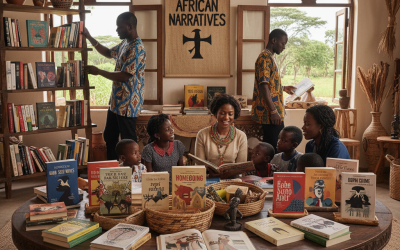
Celebrating African Narratives Through Magazines
Discover how Southern African magazines celebrate African narratives through storytelling, cultural preservation, and talent promotion. Explore their impact on local and global audiences.