
Intellectual – Foresight & Big Ideas · Editorial
By Moakanyi Magazine · Global Issue · June 2026
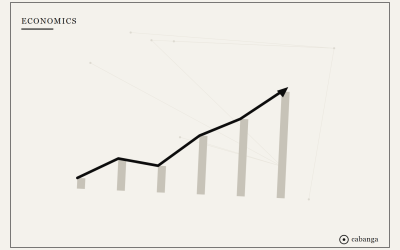
The cheapest place to stop a food-price problem is at the bag of fertiliser. The most expensive place is at the till, after the increase has rippled through every link in between. Between those two points sits a multiplier: a rise in fertiliser costs raises the cost of growing, which raises the price of food, which pressures wages and feeds back into retail prices across the wider economy. For Botswana, which imports most of its food and much of its fertiliser, that chain runs straight through the household budget.
The signal sits in the global indices that track these costs. The FAO food price index measures how input and commodity costs translate into what the world pays to eat, and fertiliser is one of the levers behind that number. When it moves, it moves the cost of agriculture everywhere – including in countries that grow little of their own food and import the rest at whatever the world is charging.
From field to shelf:
Fertiliser is an input cost for nearly every crop grown at scale. When it rises, farmers face a choice between paying more to maintain yields or using less and harvesting less. Either path raises the cost of food: the first directly through higher input costs, the second indirectly through tighter supply. There is no version of the choice that leaves the shelf price untouched.
In an import-dependent country, that increase arrives at the border and is passed to the consumer with transport, handling and margin added on top. The field is in another country; the price is in your basket in Gaborone. Botswana does not set the cost of the fertiliser used to grow the maize it imports, but it pays for every increase in it, with the distance from field to shelf adding cost at each stage.
The price of a harvest is set partly by the price of the bag before it.
The wage and retail loop:
Higher food prices raise the cost of living, which pressures wages, which raises business costs, which feed back into retail prices in a loop that is hard to break once it starts. This is how a single agricultural input ripples outward into general inflation, touching goods and services that have nothing to do with farming. The multiplier is named for exactly this property: one cost becomes many.
For Botswana, where food is a large share of household spending, the multiplier is felt most sharply by the lowest-income households and most visibly in the shops of Gaborone and Francistown. A family that spends much of its income on food has little cushion when food prices climb, so a global fertiliser increase lands hardest precisely where there is least room to absorb it.
An input cost rarely stays an input cost; it becomes everyone's cost.
Where Botswana can dampen the multiplier:
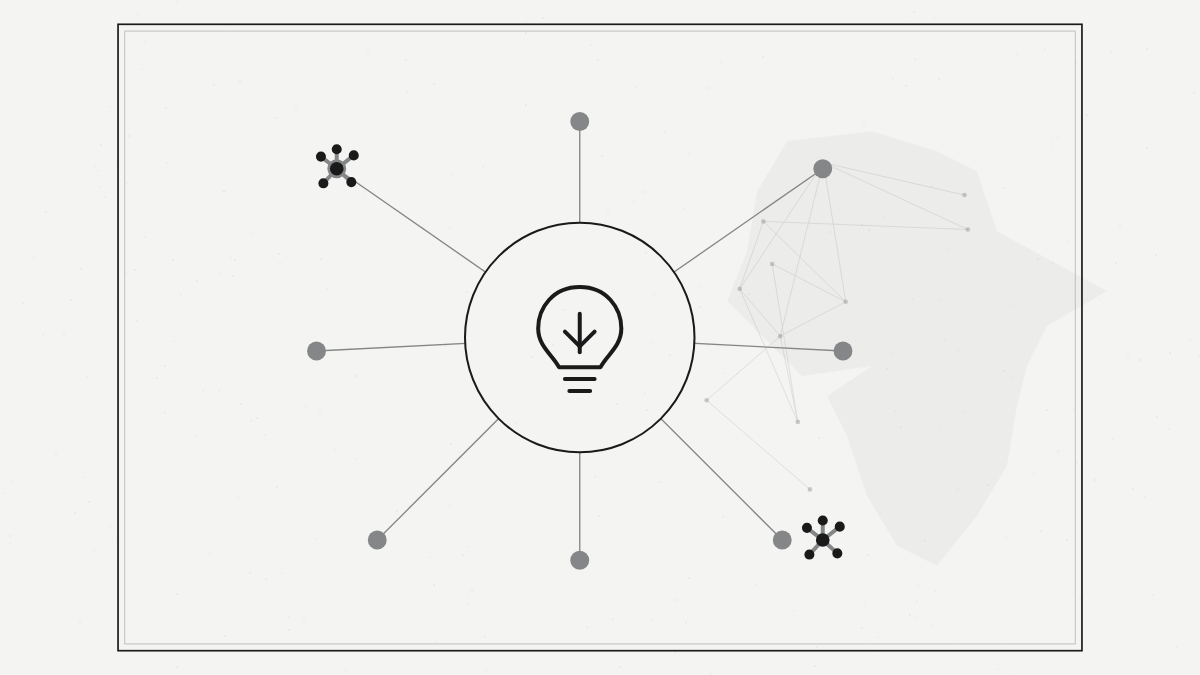
The levers are domestic production, strategic reserves, and support that helps farmers absorb input shocks without slashing yields. Supporting local agriculture and reducing dependence on imported food and fertiliser shortens the chain and weakens the multiplier at its source. Every step that brings production closer to home removes a link the global price can pull on.
None of it is instant, and none of it makes Botswana self-sufficient overnight. But each tonne grown locally, each reserve held against a spike, each farmer helped to keep yields up through a price shock trims how much of a global fertiliser swing ends up on a Botswana shelf. The multiplier cannot be switched off, but it can be made smaller, and that is a policy choice.
Every tonne grown at home is a link the global price cannot pull.
For Botswana, the fertiliser multiplier is a case for treating food security as economic policy, not only agricultural policy. A global input cost becomes a local inflation problem unless the chain between field and shelf is deliberately shortened. The cheapest intervention is the earliest one – closer to the bag than to the till – and the longer it is deferred, the more it costs the households least able to pay. A government cannot set the world price of fertiliser any more than it can set the weather. But it can decide how exposed its citizens are to that price, and how many links sit between the global market and the family kitchen. Each link removed is a measure of food security bought, and food security, in an import-dependent country, is simply economic stability under another name.
Sources: FAO