
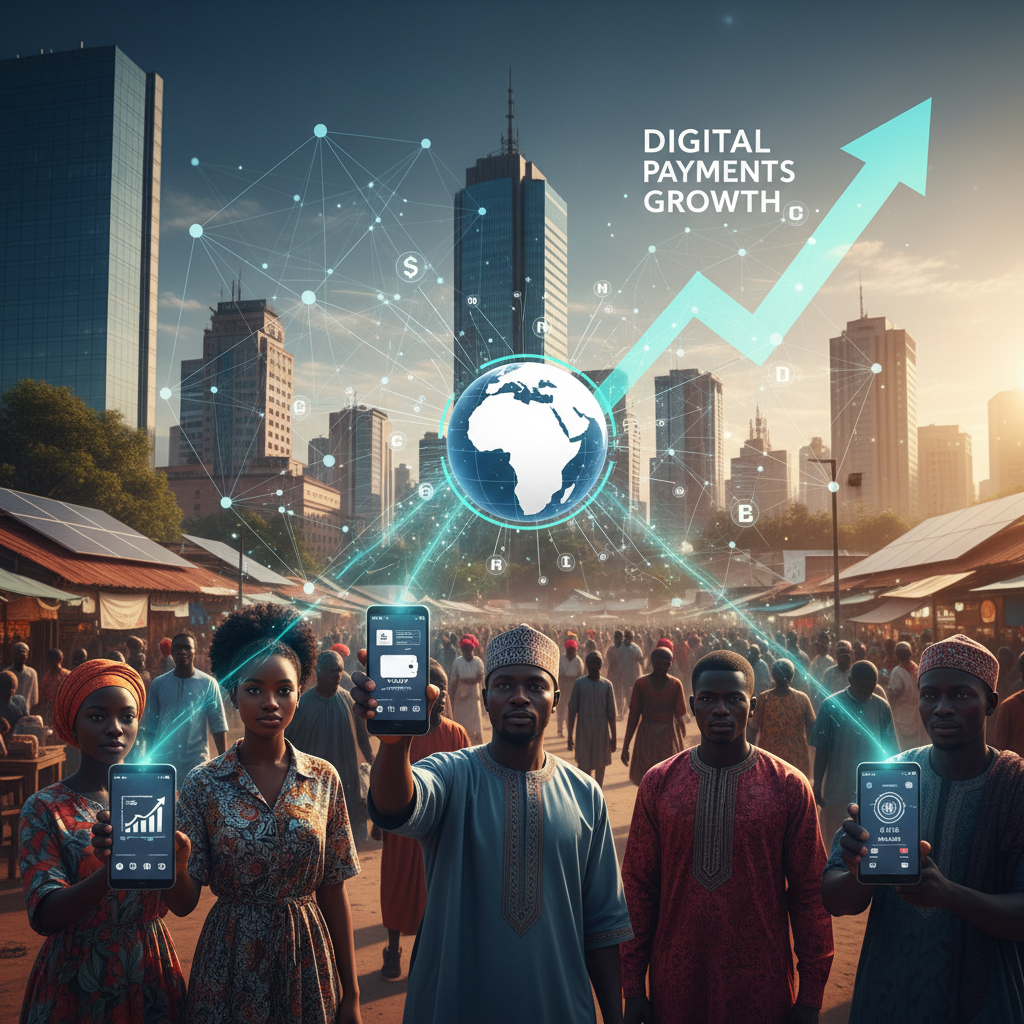
Financial technology (FinTech) is transforming Southern Africa’s financial landscape by increasing access to financial services, driving innovation, and fostering economic growth. From mobile money platforms to digital lending solutions, FinTech is bridging gaps in financial inclusion and offering businesses and consumers more efficient ways to manage their finances. This article examines the growth of FinTech in Southern Africa, its key drivers, and its impact on the region’s economy.
The Rise of FinTech in Southern Africa
The FinTech revolution in Southern Africa has been fueled by several factors, including high mobile penetration rates, growing internet connectivity, and a large unbanked population. These conditions create fertile ground for innovative solutions that address unique financial challenges in the region.
Mobile money platforms like EcoCash in Zimbabwe and MTN MoMo in South Africa have led the way in providing accessible and affordable financial services. By enabling users to perform transactions, save money, and access credit via their mobile phones, these platforms have transformed how people interact with money.
Key Drivers of FinTech Growth
1. Financial Inclusion
A significant portion of Southern Africa’s population remains unbanked or underbanked due to limited access to traditional banking services. FinTech solutions are breaking down barriers by offering digital wallets, peer-to-peer lending platforms, and microloans that cater to low-income individuals and small businesses.
2. Regulatory Support
Governments and central banks in the region are creating frameworks to support FinTech innovation. Initiatives such as regulatory sandboxes allow startups to test their solutions in controlled environments, ensuring compliance while fostering creativity.
3. Investment and Collaboration
The FinTech sector has attracted substantial investment from venture capitalists, impact investors, and international organizations. Collaborations between startups, financial institutions, and tech companies are driving the development of robust ecosystems that support innovation and scalability.
4. Advancements in Technology
Technological advancements in blockchain, artificial intelligence, and cloud computing are enabling the creation of secure, efficient, and scalable financial solutions. These technologies reduce operational costs and enhance user experiences, making FinTech services more accessible.
Transformative Impact of FinTech
Empowering Small Businesses
FinTech solutions are empowering small and medium-sized enterprises (SMEs) by providing access to digital payment systems, working capital, and online marketplaces. These tools enable businesses to streamline operations, expand customer reach, and improve cash flow management.
Enhancing Consumer Experience
Consumers benefit from the convenience, speed, and affordability of FinTech services. From instant money transfers to personalized financial advice through AI-powered chatbots, FinTech is reshaping how individuals manage their finances.
Driving Economic Growth
By fostering financial inclusion and supporting business growth, FinTech contributes to broader economic development. It creates jobs, attracts investments, and enhances the efficiency of financial systems, boosting regional competitiveness.
Challenges Facing FinTech in Southern Africa
While the FinTech sector has achieved significant milestones, it faces challenges such as limited digital infrastructure, low levels of digital literacy, and cybersecurity risks. Addressing these issues requires collaboration between governments, private sector players, and development organizations.
Additionally, building trust among users is critical. Many individuals are wary of adopting digital financial solutions due to concerns about data privacy and fraud. FinTech companies must prioritize transparency and security to build confidence in their services.
The Future of FinTech in Southern Africa
The future of FinTech in Southern Africa is bright, with ongoing advancements in technology and increasing adoption of digital solutions. Key growth areas include:
Blockchain Applications: Blockchain technology is expected to revolutionize areas such as remittances, supply chain finance, and identity verification.
Digital Lending: The expansion of credit scoring models based on alternative data will enhance access to credit for individuals and businesses.
InsurTech: Innovative insurance products tailored to low-income populations will drive financial inclusion further.
Conclusion: Transforming Finance for the Future
FinTech is revolutionizing the financial landscape of Southern Africa, bridging gaps in access and driving economic growth. By leveraging technology and innovation, FinTech companies are creating inclusive financial systems that empower individuals and businesses. With continued investment, collaboration, and regulatory support, the FinTech sector will remain a key driver of transformation and prosperity in the region.
 WhatsApp for a Google-Ready Website


From Visibility to Market Leadership: How African Businesses Can Build Scalable Digital Growth
The Digital Marketing Challenge for African Businesses In today’s African business landscape, many organisations struggle to turn digital presence into real growth. Too often, online efforts are fragmented: social media posts go out sporadically, paid ads operate in...


