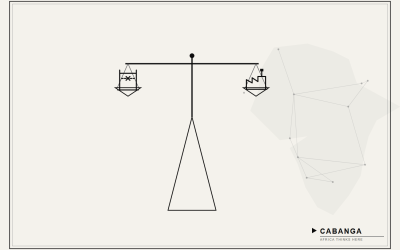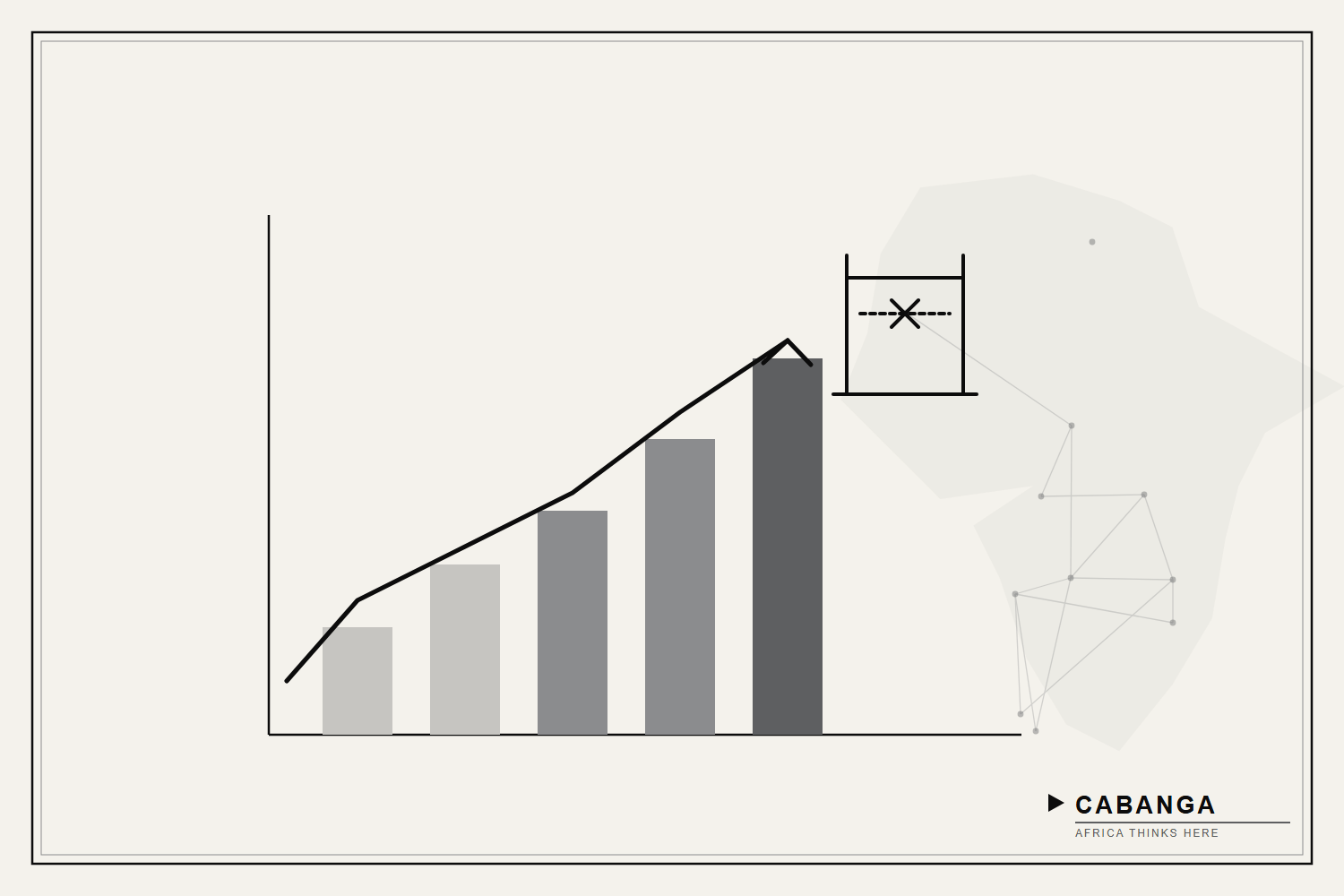
Sovereign bond spreads are supposed to be the market’s summary of a country’s risk. When they hold steady, the signal to investors is that little has changed. Yet on the ground in parts of South Africa, operational social risk has been rising while the sovereign spread has barely moved. When the headline gauge and the operating reality diverge, the gauge is not always the one telling the truth.
Reuters has reported that anti-migrant unrest carries economic blowback for businesses and supply chains, even as capital markets remain composed. For investors and boards that anchor their hurdle rates to sovereign pricing, this decoupling is a trap. Waiting for the bond market to confirm a risk it is structurally slow to price means acting late, and paying for it.
The Decoupling: Calm Markets, Rising Ground-Level Risk
A sovereign spread aggregates fiscal, monetary and macro-political risk into a single tradable number. It is excellent at capturing debt sustainability and currency risk. It is far weaker at capturing localised operational disruption — a shuttered high street, an interrupted supply route, a workforce that cannot safely travel to a site.
These risks are real, but they sit below the resolution of a sovereign gauge. A packhouse in a specific district can face genuine disruption while the Rand and government bonds trade calmly. The market is not wrong about the sovereign; it is simply answering a different question from the one an operator on the ground is asking.
The bond market prices the country, not your site.
Why the Sovereign Spread Lags
There are structural reasons the spread moves late. Social risk becomes fiscal risk only after a lag — through lower growth, weaker revenues or higher spending — and markets price the fiscal endpoint, not the social origin. Diplomatic friction adds another slow channel; the Financial Times has tracked how regional tension can build before it registers financially.
The spread is also a national average. It nets localised disruption against an economy that continues functioning elsewhere, muting signals that are severe in one district and absent in another. By the time enough local damage accumulates to move a national number, the operational cost has already been borne by the businesses exposed to it.
An average is comfortable precisely because it hides the tails.
From Country Risk to Project Risk
The correction is to stop treating the sovereign spread as the ceiling of relevant risk and to price at the level where the risk actually lives: the project. Two investments in the same country do not carry the same social-operational exposure. A logistics hub dependent on a specific labour pool, or a retail footprint concentrated in affected areas, carries risk that a portfolio of government bonds does not.
Project-specific premiums capture what the sovereign average omits. They ask what could interrupt this operation, in this place, with this workforce and this customer base — and price that directly, rather than assuming the national number already contains it.
Risk is local before it is national; hurdle rates should be too.
Building the Premium In
Practically, this means adjusting the discount rate or hurdle rate for exposed projects to reflect their own social-stability risk, independent of where sovereign spreads sit. It means adding an explicit line for continuity of labour, supply and access, and stress-testing cash flows against localised disruption rather than only macro shocks.
None of this requires forecasting unrest. It requires acknowledging that the sovereign spread is a lagging, averaged proxy and refusing to outsource project-level judgement to it.
For investors, boards and capital-allocation teams, the intelligence angle is clear. Do not wait for sovereign repricing to validate a risk you can already see operationally. Apply project-specific risk premiums now, priced to the exposure of each asset, and treat the calm sovereign spread as information about the country’s debt, not about your project’s ground. The allocator who prices the risk where it lives will commit capital on sounder terms than the one still waiting for the bond market’s permission.