Fitness is often associated with urban areas, where gyms, fitness classes, and wellness programs are more readily available. However, rural communities in Southern Africa are increasingly adopting affordable fitness trends that promote health and well-being without requiring significant resources. This article explores innovative and low-cost ways to encourage active lifestyles in rural areas, ensuring inclusivity and improved quality of life for all.
The Importance of Fitness in Rural Areas
Rural communities face unique challenges in accessing fitness resources, including limited infrastructure, fewer recreational facilities, and lower income levels. Yet, promoting physical activity in these areas is crucial for reducing the prevalence of chronic diseases, enhancing mental health, and fostering social cohesion.
Fitness initiatives tailored to rural settings not only improve individual health outcomes but also contribute to community development by creating opportunities for social interaction and skill-building.
Affordable Fitness Trends in Rural Communities
1. Outdoor Fitness Activities
Rural areas often have abundant open spaces, making outdoor fitness activities an ideal and cost-effective solution. Walking, running, cycling, and hiking require minimal investment and can be organized as group events to increase participation and motivation.
2. Community Sports Programs
Team sports such as soccer, netball, and volleyball are popular in rural communities due to their accessibility and ability to bring people together. Local tournaments and leagues create a sense of community pride while encouraging physical activity.
3. Bodyweight Exercises and Home Workouts
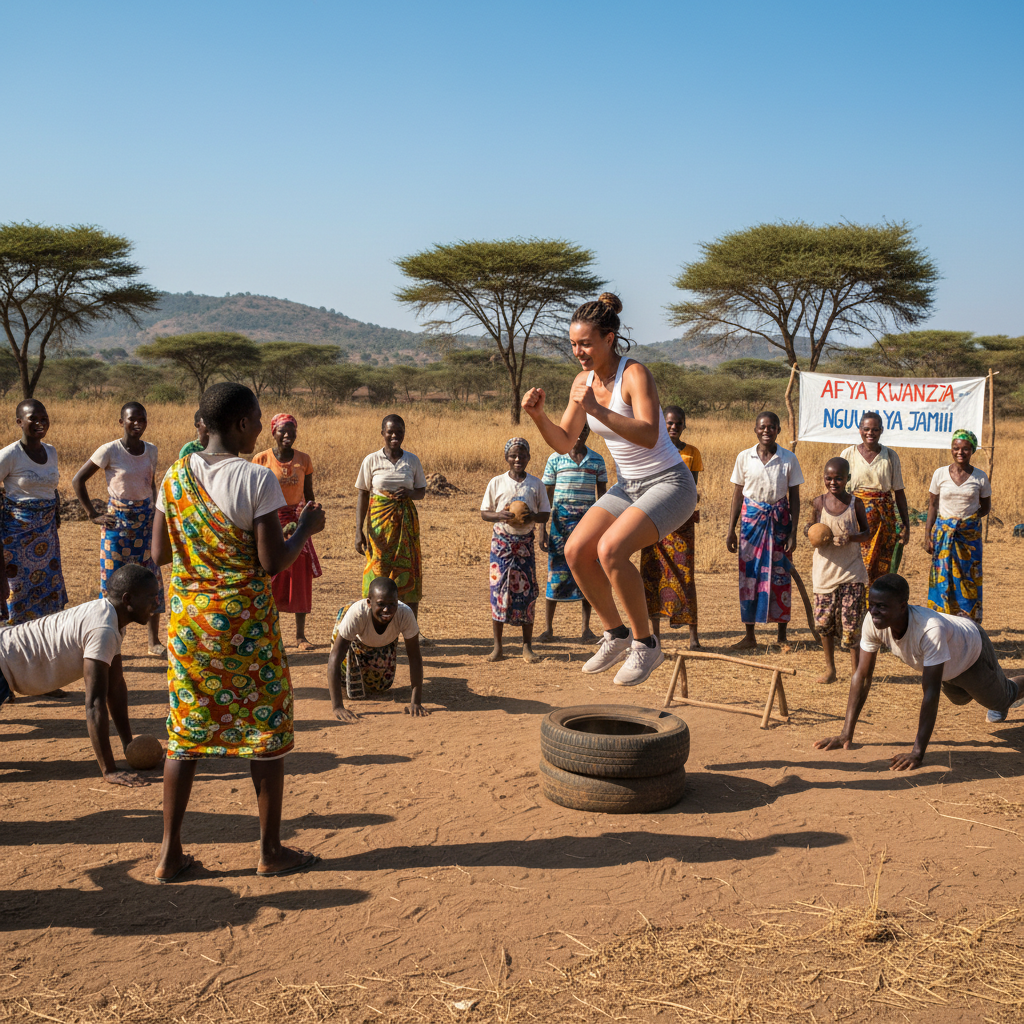
Bodyweight exercises like push-ups, squats, and lunges are effective ways to stay fit without equipment. Community leaders can organize group workout sessions or share routines through local gatherings, social media, or printed guides.
4. Dance and Aerobics Classes
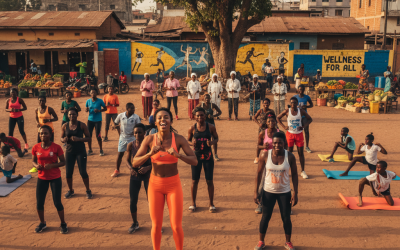
Dance and aerobics classes are not only fun but also highly effective for improving cardiovascular health. Rural schools, community centers, and open spaces can serve as venues for group sessions, with local volunteers or instructors leading the activities.
5. Traditional Games and Activities
Incorporating traditional games and physical activities into fitness initiatives adds cultural relevance and enjoyment. Activities like rope skipping, stone tossing, or stick-fighting can be adapted to promote physical fitness while preserving cultural heritage.
Leveraging Technology for Rural Fitness
Technology is playing an increasingly significant role in making fitness accessible, even in rural areas. Affordable smartphones and internet access allow individuals to use fitness apps, watch workout tutorials, and participate in virtual fitness challenges. Local governments and organizations can provide free Wi-Fi zones in community hubs to support digital fitness initiatives.
In addition, radio programs and SMS campaigns can share fitness tips and promote active lifestyles in areas where internet access remains limited.
Overcoming Challenges in Promoting Rural Fitness
The primary challenges in promoting fitness in rural areas include limited funding, lack of facilities, and cultural misconceptions about exercise. Addressing these barriers requires innovative and collaborative approaches:
Partnerships with Local Organizations: NGOs, schools, and community groups can pool resources to fund fitness programs and infrastructure.
Volunteer Engagement: Mobilizing local volunteers as fitness instructors or organizers reduces costs and ensures sustainability.
Awareness Campaigns: Educating communities about the benefits of physical activity helps overcome resistance and encourage participation.
Success Stories: Rural Fitness in Action
In South Africa, grassroots soccer programs have successfully engaged rural youth, using sports as a platform for fitness, education, and life skills training. Similarly, community fitness initiatives in Zimbabwe have leveraged schools as venues for weekend aerobics classes, attracting participants of all ages.
These examples demonstrate that with creativity and community involvement, fitness programs can thrive in rural settings despite limited resources.
Conclusion: Making Fitness Accessible for All
Affordable fitness trends are transforming rural communities across Southern Africa by promoting health, inclusivity, and social cohesion. By leveraging existing resources, embracing cultural practices, and harnessing the power of technology, rural areas can overcome barriers to active lifestyles. With continued support and innovation, fitness can become an integral part of life for everyone, regardless of location or income level.
 WhatsApp for a Google-Ready Website


Express Fitness Urban Expands into Zimbabwe with Launch of ExpressFitness.Africa
Johannesburg, January 13, 2025 – Express Fitness Urban, a leading supplier of premium home and commercial gym equipment in South Africa, is proud to announce its expansion into the African continent, including Zimbabwe and Mozambique, with the launch of its new...