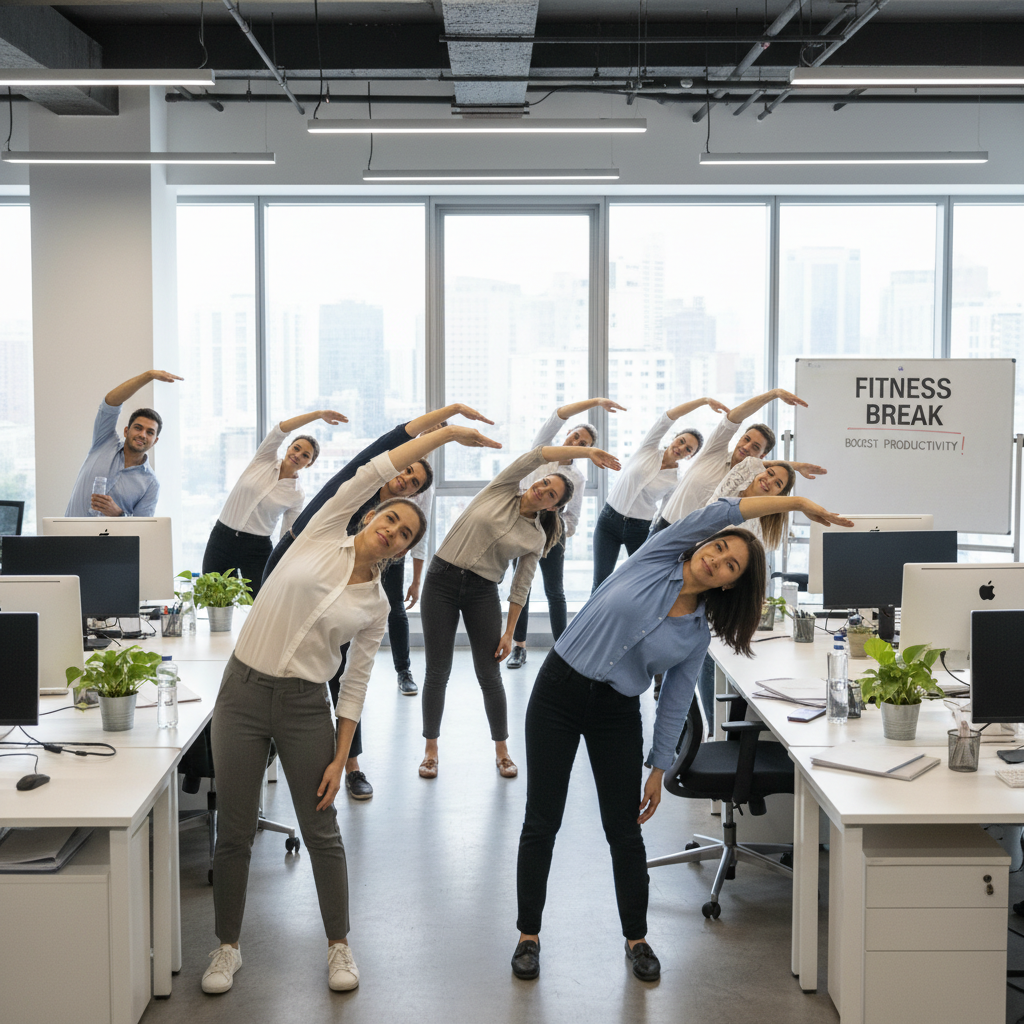
Fitness and productivity are intricately linked, with regular physical activity contributing to improved focus, reduced absenteeism, and enhanced employee morale. In Southern Africa, where workplace demands are increasing, integrating fitness initiatives into company culture is becoming a vital strategy for boosting performance and well-being. This article explores the connection between fitness and workplace productivity and highlights practical ways businesses can promote active lifestyles among employees.
The Link Between Fitness and Productivity
Physical activity has a profound impact on mental and physical health, both of which are critical for workplace productivity. Regular exercise improves cardiovascular health, boosts energy levels, and enhances cognitive function. These benefits translate directly into better concentration, faster problem-solving, and higher efficiency at work.
Moreover, fitness reduces stress by releasing endorphins, the body’s natural mood elevators. Employees who are less stressed are more likely to approach tasks with a positive attitude and maintain consistent performance, even in high-pressure environments.
Benefits of Fitness in the Workplace
1. Reduced Absenteeism
Healthy employees are less likely to fall ill, leading to fewer sick days and increased workplace attendance. By promoting fitness, companies can reduce the financial and operational costs associated with absenteeism.
2. Enhanced Focus and Energy
Exercise improves blood flow to the brain, which enhances focus, memory, and decision-making. Employees who engage in regular physical activity are more alert and capable of tackling complex tasks.
3. Higher Job Satisfaction
Fitness initiatives create a sense of community and show that employers care about their staff’s well-being. This fosters loyalty and increases job satisfaction, leading to higher retention rates.
4. Improved Team Dynamics
Group fitness activities, such as yoga sessions or team sports, strengthen relationships among employees. These activities encourage collaboration, trust, and communication, which are essential for effective teamwork.
Implementing Workplace Fitness Programs
1. On-Site Fitness Facilities
Providing on-site gyms or fitness areas encourages employees to exercise regularly. These facilities can include basic equipment, such as treadmills and weights, or designated spaces for yoga and aerobics classes.
2. Incentives for Physical Activity
Companies can incentivize fitness by offering rewards for achieving activity milestones, such as step count challenges or participation in community sports events. These incentives motivate employees to stay active and engage in healthy competition.
3. Flexible Work Schedules
Allowing employees to adjust their schedules for exercise, such as starting work later to accommodate morning workouts, shows support for their fitness goals. Flexibility enhances work-life balance and increases productivity.
4. Health and Wellness Programs
Integrating fitness into broader wellness initiatives, such as providing access to nutrition counseling or stress management workshops, promotes a holistic approach to health. Employers can also partner with local gyms to offer discounted memberships.
Case Studies: Success Stories in Workplace Fitness
Several companies in Southern Africa have successfully integrated fitness into their workplace cultures. For example, a Johannesburg-based tech firm introduced weekly group runs and yoga classes, resulting in reduced absenteeism and improved employee engagement. Similarly, a mining company in Zambia established an on-site fitness center, which enhanced employee morale and overall productivity.
These examples demonstrate that investing in employee fitness yields tangible benefits for both individuals and organizations.
Overcoming Barriers to Workplace Fitness
Despite its advantages, workplace fitness initiatives may face challenges, such as lack of employee interest or budget constraints. To address these issues, companies should:
Conduct surveys to identify employee preferences and tailor programs accordingly.
Start small with low-cost activities like walking meetings or lunchtime stretches.
Encourage leadership participation to set an example and drive engagement.
Conclusion: Fitness as a Productivity Booster
Fitness is not just a personal endeavor—it is a powerful tool for enhancing workplace productivity and well-being. By incorporating fitness programs into company culture, businesses in Southern Africa can create healthier, happier, and more productive workforces. Investing in fitness is an investment in the long-term success and sustainability of any organization.
 WhatsApp for a Google-Ready Website


Express Fitness Urban Expands into Zimbabwe with Launch of ExpressFitness.Africa
Johannesburg, January 13, 2025 – Express Fitness Urban, a leading supplier of premium home and commercial gym equipment in South Africa, is proud to announce its expansion into the African continent, including Zimbabwe and Mozambique, with the launch of its new...