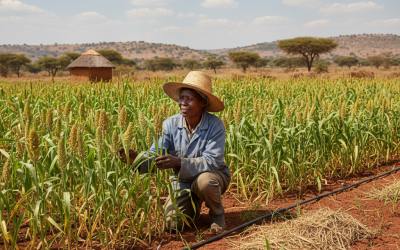
South Africa’s agricultural sector contributes significantly to the country’s economy, with exports such as citrus, wine, and maize leading the way. For small-scale farmers, tapping into international markets can unlock new revenue streams and ensure long-term growth. However, exporting agricultural products requires careful planning and understanding of global trade requirements. This guide provides actionable insights for small-scale farmers in South Africa to navigate the complexities of exporting and achieve success in international markets.
Understanding the Export Potential
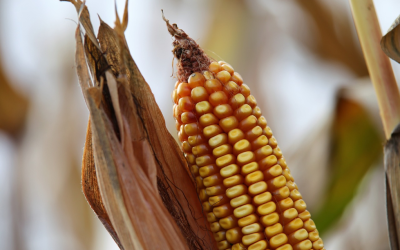
The global demand for South African agricultural products remains high. In 2021 alone, the agricultural export sector contributed over R120 billion to the economy. Citrus fruits, for example, make South Africa the world’s second-largest exporter, with oranges and lemons being particularly in demand. South African wines have also carved out a reputation for quality, enjoying consistent demand worldwide. Additionally, staple crops such as maize and grains continue to form a strong base for agricultural exports. Small-scale farmers can leverage this global demand by focusing on quality, niche markets, and compliance with international standards.
Steps to Successful Agricultural Exporting
Exporting agricultural products begins with understanding market requirements. Each country has specific import regulations that govern quality standards, packaging, and phytosanitary measures. Farmers should research their target markets thoroughly and ensure their produce meets the necessary compliance standards. Resources provided by the Department of Agriculture, Land Reform, and Rural Development (DALRRD) can guide farmers through these requirements.
Another critical step is obtaining the necessary certifications. For example, GlobalG.A.P. certification is essential for demonstrating adherence to good agricultural practices. Similarly, phytosanitary certificates verify that products are free from pests and diseases, while organic certification is valuable for farmers targeting the growing market for organically produced goods. These certifications not only enhance credibility but also open doors to premium markets.
Building a reliable supply chain is essential to ensure products reach international markets in optimal condition. Partnering with experienced logistics companies helps farmers navigate transportation challenges and maintain the quality of their produce. Proper storage and packaging are also crucial, especially for perishable goods. Farmers must invest in infrastructure that supports freshness and minimizes losses during transit.
To succeed in exports, small-scale farmers can leverage support programs. The South African government’s Export Marketing and Investment Assistance (EMIA) program provides financial aid for promotional activities and facilitates market access. Export agencies also play a vital role in connecting farmers with buyers and ensuring compliance with trade regulations. Collaborating with cooperatives or farmer associations can further amplify access to export opportunities.
Despite these opportunities, exporting agricultural products comes with challenges. High costs associated with certifications, logistics, and marketing can deter small-scale farmers. However, these costs can be mitigated through resource pooling, grant applications, or loans designed for export businesses. Farmers must also address knowledge gaps by attending trade workshops and consulting with export advisors. Additionally, global markets are competitive, and success often depends on differentiation. Small-scale farmers can stand out by emphasizing quality, sustainability, and unique product offerings.
Key export markets for South African agricultural products include the European Union, where citrus, wine, and avocados are in high demand. The Middle East offers growing opportunities for grains and processed agricultural products, while Asia—particularly China and India—has an increasing appetite for fresh produce. By targeting these markets strategically, farmers can diversify income sources and maximize their export potential.
Exporting agricultural products is not only a pathway to growth but also a means for small-scale farmers to gain global recognition. With proper planning, adherence to regulations, and a commitment to quality, small-scale farmers can succeed in international markets while contributing to South Africa’s economic development.
 WhatsApp for a Google-Ready Website

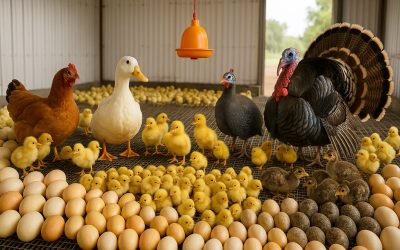
From Egg to Market: The Business Timelines of Southern Africa’s Poultry Sector
For the poultry farmer, the clock starts not when the bird leaves the shell, but when the egg first feels the warmth of incubation. The length of that journey - 16 days for a quail, 46 days for an ostrich - can determine how quickly capital returns, how often the...