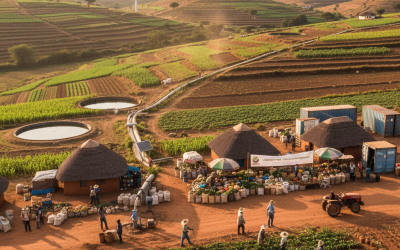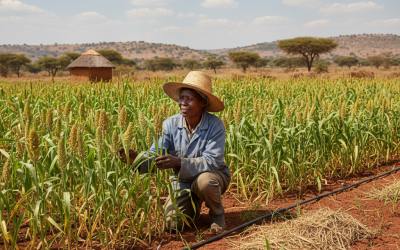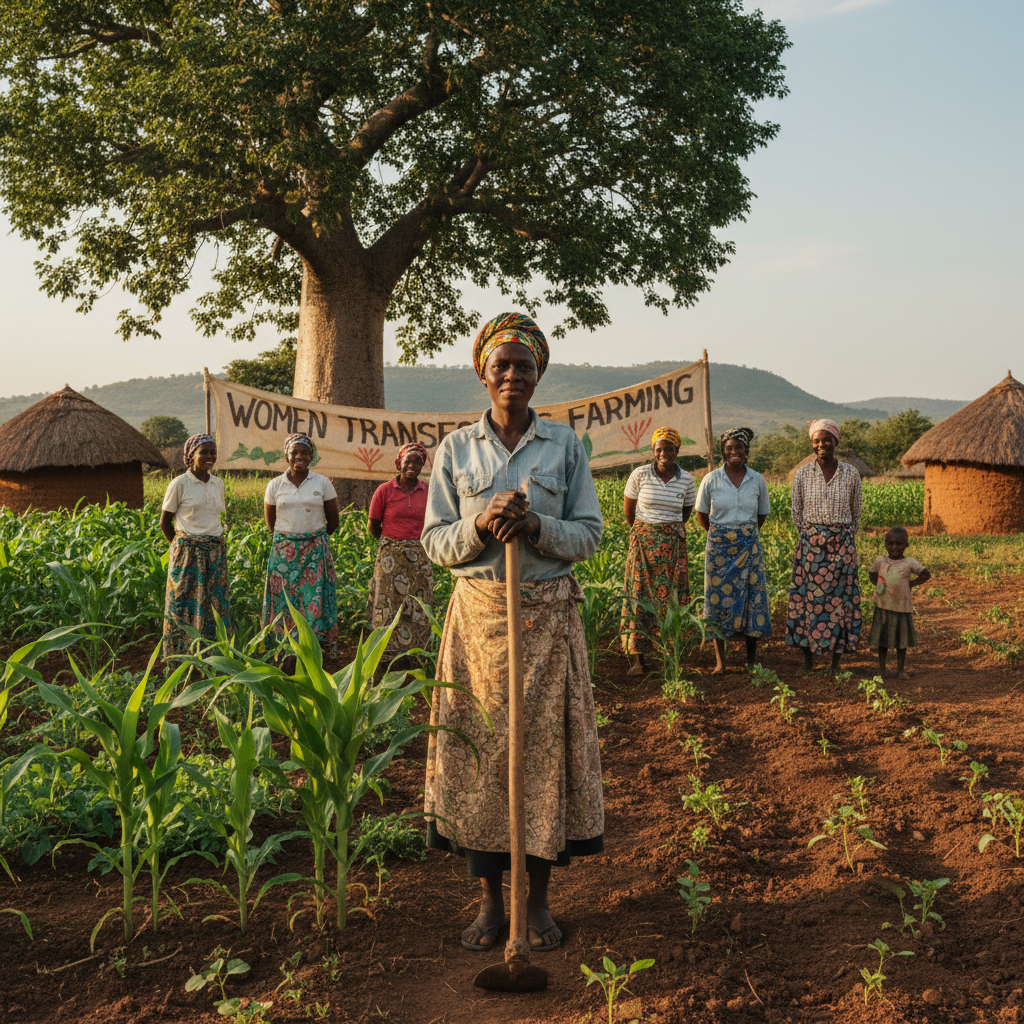
The agricultural sector in Zimbabwe is experiencing a quiet revolution led by women. Traditionally overlooked in farming, women in rural Zimbabwe are defying stereotypes and taking the lead in innovative and sustainable agricultural practices. Their contributions not only enhance food security but also empower communities economically and socially. This article explores how these women are transforming the agricultural landscape and the strategies driving their success.
Women Leading the Charge in Agriculture
In rural Zimbabwe, women play a central role in smallholder farming, contributing more than 60% of the agricultural labor force. From subsistence farming to commercial ventures, women are making strides in traditionally male-dominated areas like land ownership and agribusiness management.
One standout example is Victoria Muchenje, a rural entrepreneur who turned her small farming venture into a thriving agribusiness. By integrating crop diversification and sustainable farming methods, she now produces surplus yields for local and international markets. Muchenje’s story is a testament to the transformative power of women in agriculture.
Another example is women-led cooperatives like the Gutu Women Farmers Association, which pools resources and knowledge to access markets and training. Such initiatives highlight the collective strength of women in overcoming structural barriers.
Key Factors Driving Success
Land ownership has traditionally been a barrier for women in farming. However, government programs and NGOs are actively promoting gender equity in land distribution. Policies like Zimbabwe’s Land Reform Program aim to empower women by granting them access to agricultural land, a crucial step toward financial independence.
Women farmers are increasingly participating in training programs that equip them with modern farming techniques. These initiatives, often supported by NGOs and international agencies, focus on sustainable practices, financial literacy, and market access. Access to funding is another critical factor. Microfinance institutions and agricultural banks are introducing women-specific credit facilities, enabling them to invest in equipment, seeds, and fertilizers. Programs like the Zimbabwe Women’s Microfinance Bank are paving the way for greater financial inclusion.
From mobile apps that provide weather forecasts to solar-powered irrigation systems, technology is empowering women farmers to optimize productivity. Digital platforms are also enabling access to wider markets, reducing dependency on middlemen.
Challenges Women Face in Farming
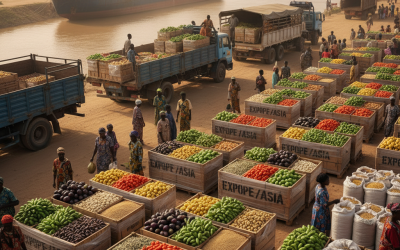
Despite their successes, women in agriculture face significant challenges. Patriarchal traditions in rural areas often hinder women from fully participating in decision-making processes. Advocacy and education are crucial in changing these perceptions. Women farmers frequently struggle to connect with larger markets due to logistical challenges and lack of networks. Cooperatives and partnerships with export agencies can bridge this gap.
Unpredictable weather patterns pose a significant challenge for all farmers, but women often lack the resources to adapt. Government support in the form of subsidies and training on climate-resilient farming methods is essential.
Building a Resilient Future
The role of women in Zimbabwe’s agricultural transformation cannot be overstated. By addressing the challenges they face and amplifying their successes, stakeholders can create an inclusive farming ecosystem. Initiatives that prioritize women’s empowerment not only benefit individual farmers but also strengthen rural economies and national food security.
 WhatsApp for a Google-Ready Website

From Egg to Market: The Business Timelines of Southern Africa’s Poultry Sector
For the poultry farmer, the clock starts not when the bird leaves the shell, but when the egg first feels the warmth of incubation. The length of that journey - 16 days for a quail, 46 days for an ostrich - can determine how quickly capital returns, how often the...