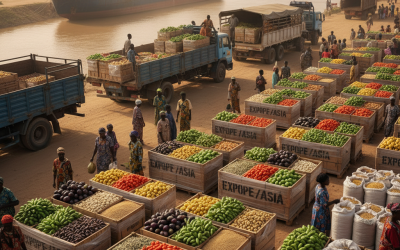
Urbanization and the growing demand for sustainable food sources have presented unique opportunities for entrepreneurs in South Africa. As cities expand, professionals in urban areas can tap into the agri-business sector to create sustainable ventures. This article explores actionable strategies for city-based entrepreneurs to invest in farming ventures, leveraging the growing interest in local and organic produce.
Understanding Urban Agri-Business
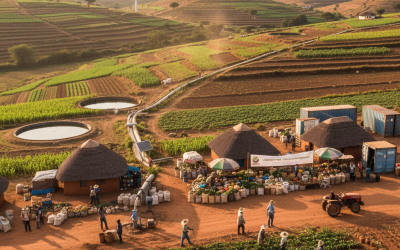
Urban agri-business refers to farming activities conducted within city limits or suburban areas. These ventures range from small-scale rooftop gardens to large indoor hydroponic farms. The primary goal is to provide fresh produce to urban dwellers while minimizing transportation costs and environmental impact.
In South Africa, urban farming initiatives have gained traction due to the increasing interest in sustainable living and food security. Organizations like Abalimi Bezekhaya in Cape Town have showcased how urban farming can improve livelihoods and foster community development.
Key Strategies for Urban Entrepreneurs
1. Start Small and Scale Gradually
Urban entrepreneurs should begin with manageable projects such as vertical gardens, container farming, or backyard poultry. Starting small minimizes initial investment and allows entrepreneurs to gain experience while assessing market demand. As profits grow, these ventures can expand to include larger operations such as hydroponic systems or aquaponics.
2. Leverage Technology
Technology plays a crucial role in urban farming. Tools like automated irrigation systems, climate-controlled environments, and data-driven farming applications can help maximize productivity. South African startups are increasingly investing in agri-tech solutions to optimize urban farming processes, making this an attractive field for entrepreneurs.
3. Build Strategic Partnerships
Collaboration is key in urban farming. Entrepreneurs can partner with local restaurants, grocery stores, and community markets to ensure consistent demand for their produce. Partnering with non-profit organizations can also provide access to training, resources, and funding opportunities.
4. Focus on Organic and Niche Markets
Urban consumers are increasingly health-conscious, preferring organic and locally sourced products. Targeting these niche markets can enhance profitability. Entrepreneurs should explore certifications for organic farming to appeal to discerning customers.
5. Utilize Urban Spaces Creatively
One of the challenges of urban farming is space constraints. However, innovative approaches like rooftop gardens, indoor farming, and converting unused spaces into greenhouses can overcome these limitations. Entrepreneurs should also explore government programs that provide grants or lease urban spaces for agricultural use.
Challenges and Solutions
Limited Space
Space is often limited in urban areas, but techniques like vertical farming and container gardening make efficient use of available room. Entrepreneurs can also collaborate with local authorities to gain access to underutilized public spaces.
High Initial Costs
The setup for advanced farming technologies can be expensive. Entrepreneurs should seek funding from agri-business grants, venture capitalists, or community crowdfunding initiatives.
Lack of Expertise
Urban professionals may lack farming experience. Attending workshops, partnering with experienced farmers, or enrolling in agricultural training programs can address this gap.
The Future of Urban Agri-Business in South Africa
Urban farming is more than a business opportunity; it is a solution to pressing issues like food insecurity and environmental sustainability. With strategic planning and innovative approaches, urban entrepreneurs in South Africa can create thriving businesses while contributing to a sustainable future.
 WhatsApp for a Google-Ready Website

From Egg to Market: The Business Timelines of Southern Africa’s Poultry Sector
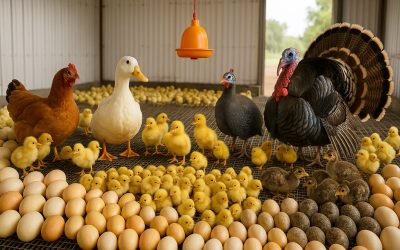
For the poultry farmer, the clock starts not when the bird leaves the shell, but when the egg first feels the warmth of incubation. The length of that journey - 16 days for a quail, 46 days for an ostrich - can determine how quickly capital returns, how often the...